black friday marketing ideas

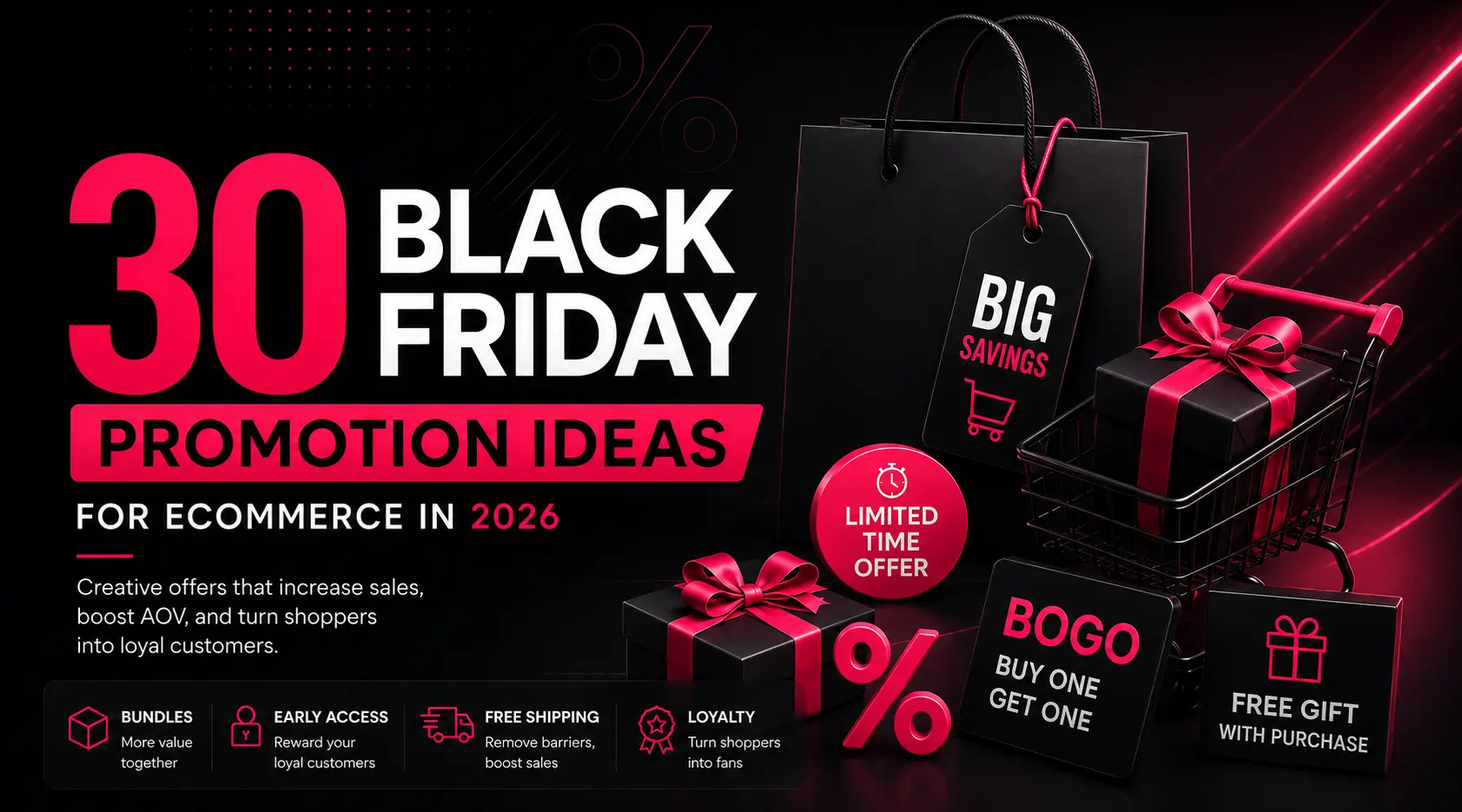
50 Black Friday Promotion Ideas 2025: Boost Sales with Creative Campaigns

On this page
On this page

Black Friday promotions don’t have to mean offering the biggest discount across your entire store.

The best offers give shoppers a clear reason to buy while helping ecommerce brands achieve a specific goal, whether that’s increasing average order value, moving inventory, acquiring new customers, or rewarding loyal shoppers.

That could mean a tiered discount, a free gift with purchase, a BOGO offer, an exclusive product bundle, early access for VIP customers, a limited-time drop, or a personalized deal based on shopping behavior.

For Black Friday 2026, the strongest promotions will combine proven offer mechanics with newer tactics such as gamification, creator-led campaigns, personalized incentives, and AI-assisted shopping experiences.

Below, you’ll find practical Black Friday promotion ideas for ecommerce brands, along with when to use each one and what business goal it can help you achieve.

How to Choose the Right Black Friday Promotion

Not every Black Friday promotion should aim for the same result. Before choosing an offer, decide what you want the campaign to accomplish.

If your goal is to increase average order value, product bundles, tiered discounts, and spend-based rewards usually make more sense than a flat sitewide discount. If you need to move excess inventory, BOGO offers, mystery boxes, and clearance bundles may be a better fit. And if your priority is customer acquisition, referral offers, first-order incentives, or creator-exclusive promotions can help bring new shoppers into your store.

Here’s a simple way to match your promotion to your goal:

Your Goal Black Friday Promotions to Consider
Increase average order value Product bundles, tiered discounts, spend-and-save offers
Improve conversion rate Free gifts, limited-time offers, personalized discounts
Move excess inventory BOGO, mystery boxes, clearance bundles
Acquire new customers Referral offers, first-order deals, creator-exclusive promotions
Reward loyal customers VIP early access, exclusive bundles, loyalty rewards
Increase repeat purchases Post-purchase offers, store credit, bounce-back coupons
Create urgency Flash sales, limited drops, daily deals
Increase engagement Gamified offers, quizzes, unlockable discounts

The right promotion should be attractive enough to motivate shoppers without sacrificing more margin than necessary. In many cases, a well-designed offer can outperform a deeper sitewide discount by giving customers more value while encouraging a larger purchase.

Black Friday Promotion Ideas, Grouped by Goal

The ideas below are grouped by goal and promotion type. Each group works best for a specific outcome, so start with the section that matches what you want the campaign to achieve.

Discount, Bundle & Order Value Promotions

These promotions get more valuable as customers add more products or spend more. They are the strongest option when your goal is to raise average order value without cutting into margin across your entire catalog.

1. Offer Tiered Discounts
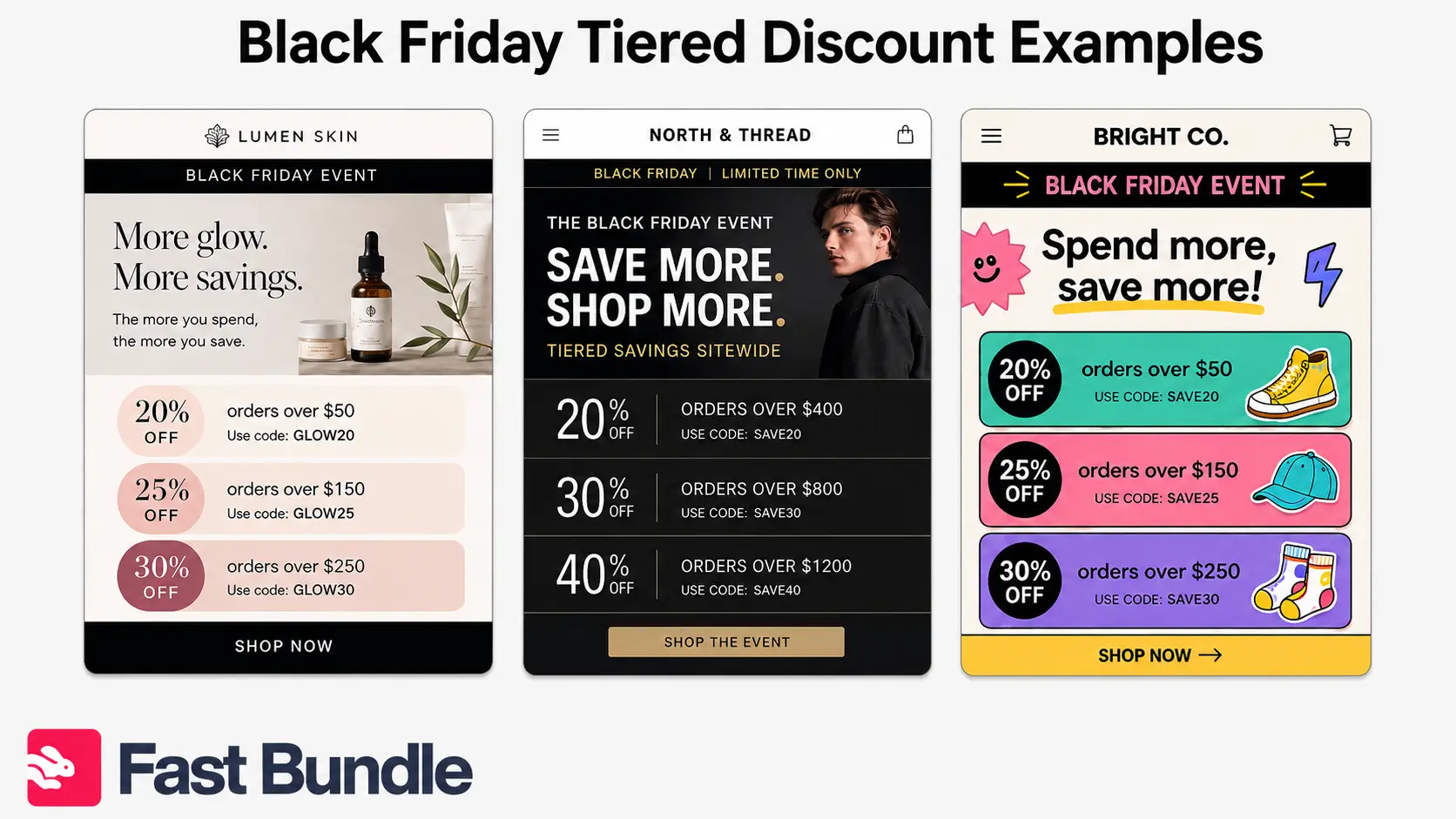
Offer Tiered Discounts

Instead of giving every customer the same discount, increase the reward as their cart gets larger.

For example:

  • Spend $75 and get 10% off
  • Spend $125 and get 15% off
  • Spend $175 and get 20% off

Tiered discounts give shoppers a reason to add another product to their cart to reach the next savings level. This makes them particularly useful for stores trying to increase average order value during Black Friday.

You can also base the tiers on quantity rather than order value:

  • Buy 2 items and save 10%
  • Buy 3 items and save 15%
  • Buy 4 or more items and save 20%

Best for: Increasing average order value and units per order.

2. Run a BOGO Promotion

Buy One, Get One offers are simple to understand and can create stronger perceived value than a standard percentage discount.

Common Black Friday BOGO variations include:

  • Buy one, get one free
  • Buy one, get one 50% off
  • Buy two, get one free
  • Buy one product, get a complementary product free

For example, a skincare brand could offer: buy any moisturizer and get a cleanser free.

Instead of discounting the entire catalog, this type of promotion lets you control which products receive the incentive.

BOGO campaigns can also help move excess inventory or introduce customers to products they have not purchased before.

Best for: Moving inventory, increasing units per order, and encouraging product discovery.

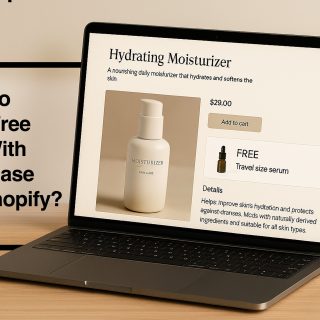
3. Add a Free Gift With Purchase
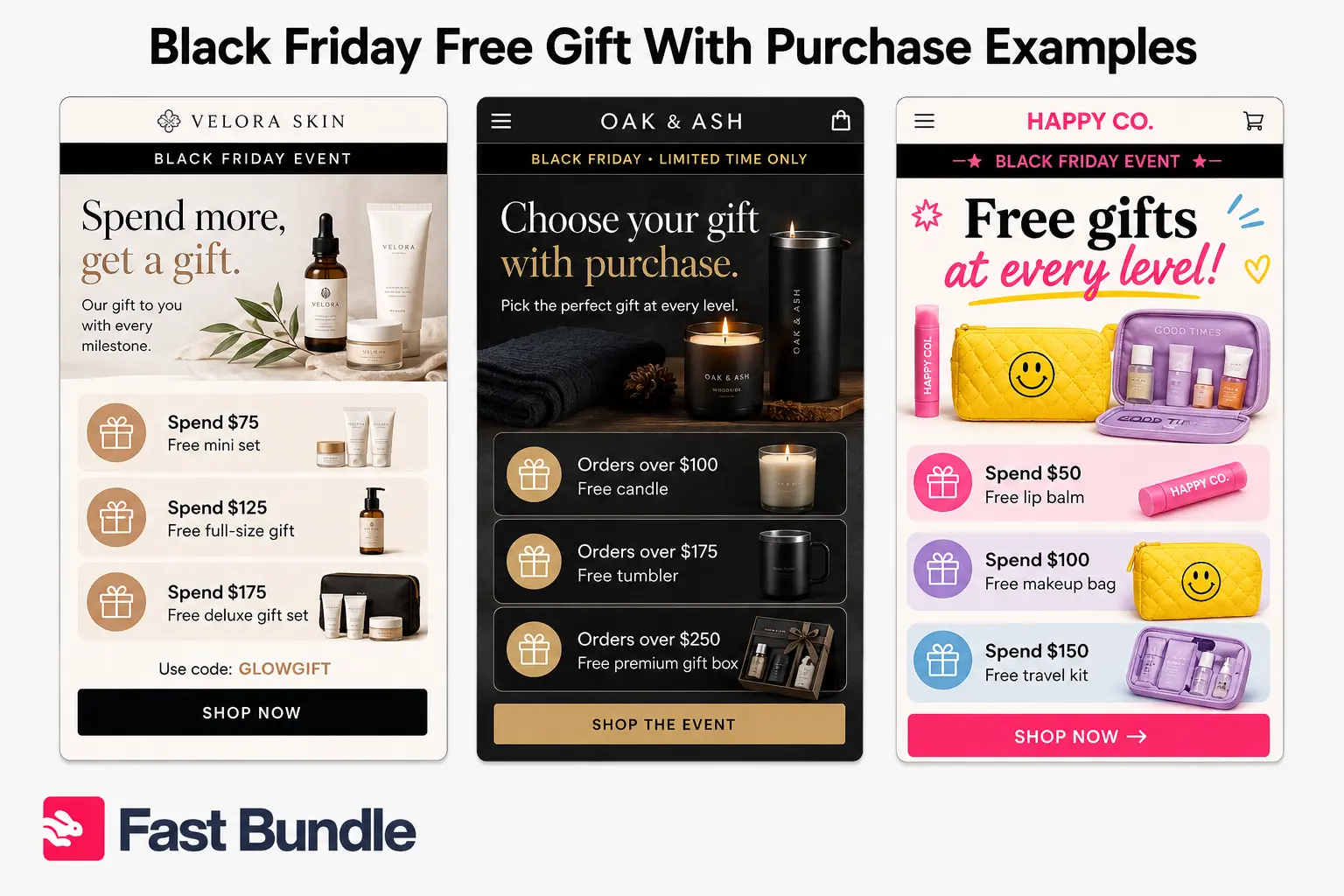
free gift with purchase in black friday

A free gift can make an offer feel more valuable without requiring a larger discount on the customer’s entire order.

For example: spend $100 and get a free travel-size skincare set.

Or: buy any two products from the holiday collection and receive a free gift.

The gift should ideally have a high perceived value for the customer but a relatively low cost for the business. A single clear threshold usually works better than a complicated set of rules, because shoppers can see exactly how far they are from earning the gift.

Best for: Increasing conversion rate and average order value while protecting margins.

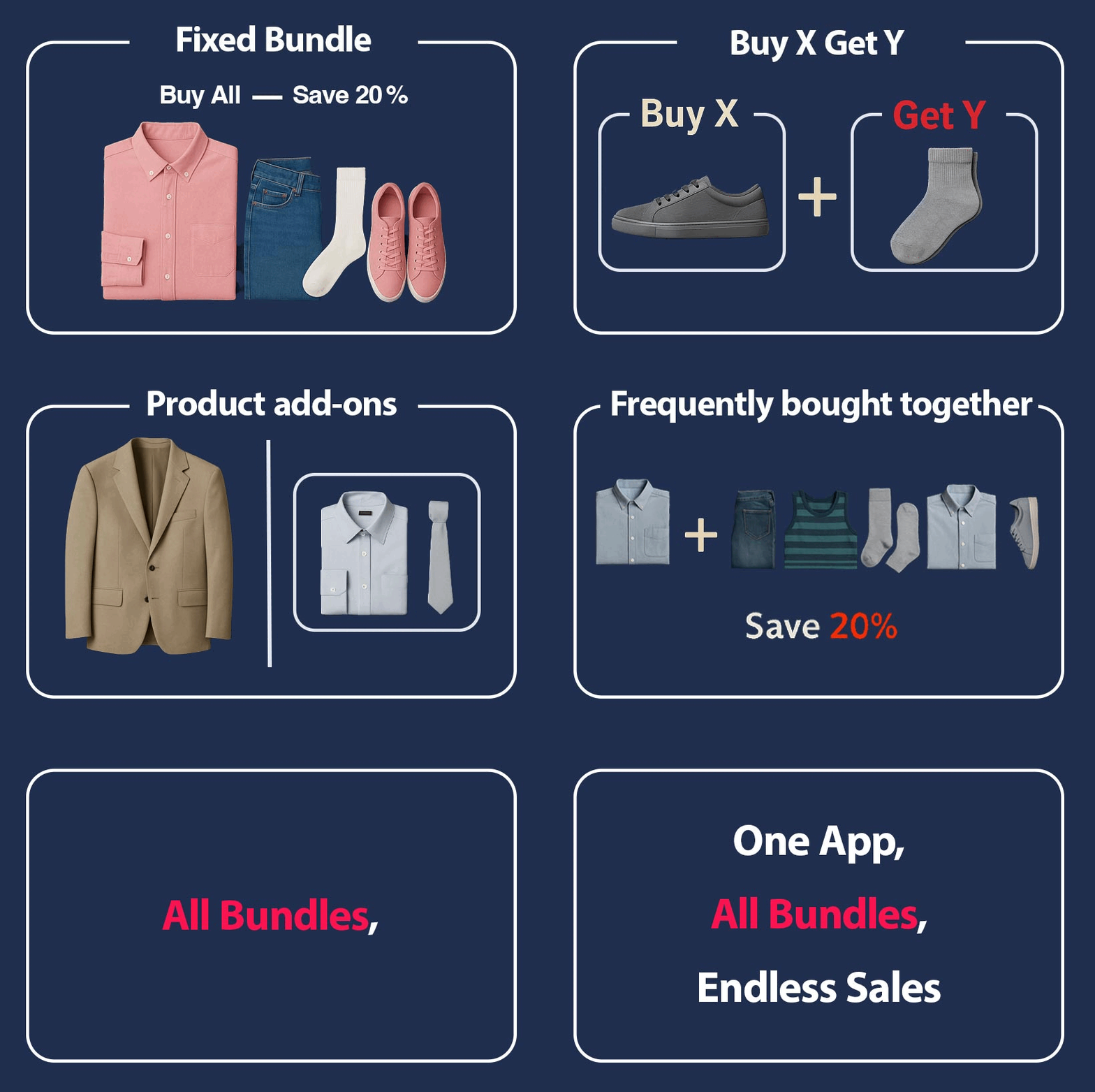
4. Create Black Friday Product Bundles
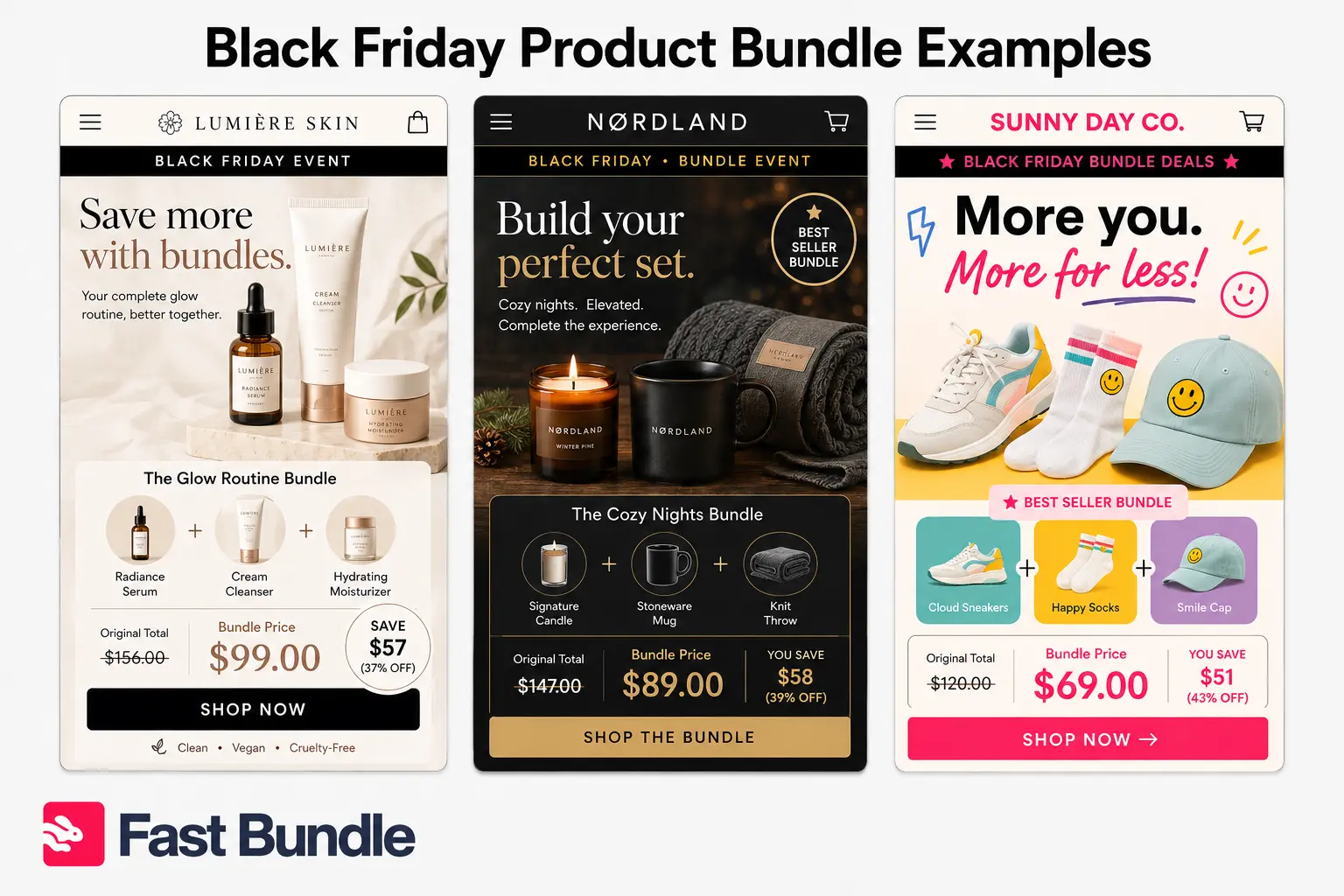
black friday bundle

Instead of discounting individual products, combine complementary products into a Black Friday bundle.

For example, instead of selling:

  • Cleanser: $25
  • Serum: $35
  • Moisturizer: $40

separately, you could offer all three as a Black Friday Skincare Routine for $85.

The customer sees an obvious saving, while the business sells multiple products in a single transaction. This is one of the most reliable product bundling plays during a high-traffic sale period.

Bundles work especially well when products naturally belong together, such as:

  • Skincare routines
  • Coffee and brewing accessories
  • Gaming accessories
  • Clothing sets
  • Fitness equipment
  • Pet care kits

Make the saving obvious by showing the regular combined price next to the Black Friday bundle price. If you are not sure how deep the bundle discount should go, work it out from your margins first using a bundle pricing strategy rather than picking a round number.

Best for: Increasing average order value and introducing customers to multiple products.

5. Let Customers Build Their Own Bundle

Pre-made bundles are not always the best fit when customers have different tastes, sizes, colors, or product preferences.
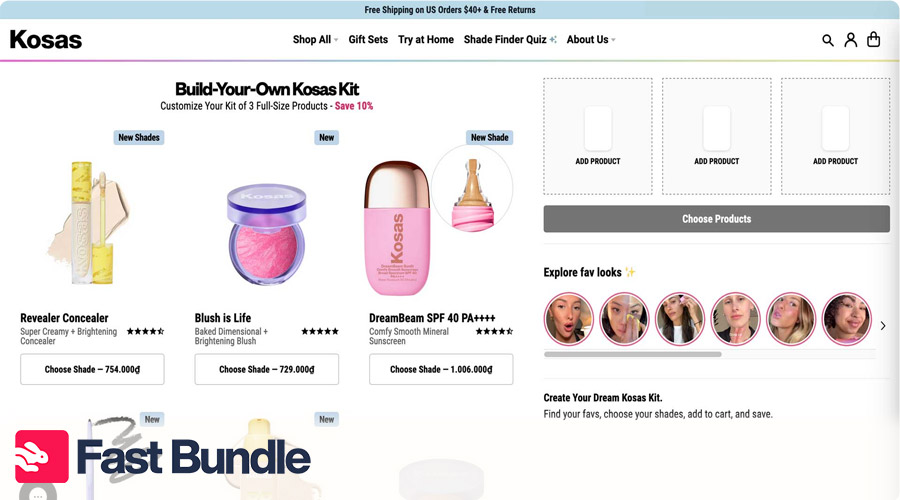
A build-your-own bundle promotion gives shoppers more control.

For example: choose any 3 products and save 15%.

Or: build a 5-item gift box and save $25.

This promotion combines a discount with personalization because shoppers can choose exactly what goes into the offer.

It can work particularly well for categories such as:

  • Beauty
  • Food and beverages
  • Supplements
  • Fashion
  • Candles
  • Pet products
  • Gifts

You can also increase the discount as customers add more items:

  • Choose 3 and save 10%
  • Choose 5 and save 15%
  • Choose 7 and save 20%

Build-your-own offers need rule-based logic on the product page rather than a static discount code, since the price has to update as the shopper makes selections. A bundling-first Shopify app like Fast Bundle handles the item count, the discount tier, and the cart total together.

Best for: Increasing basket size while giving customers more flexibility.

6. Add a Complete Your Bundle Offer in the Cart
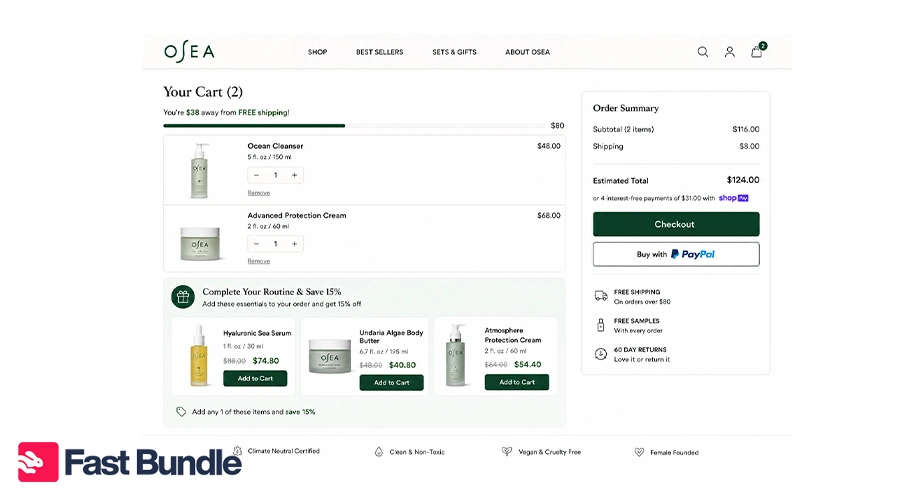
bundler offer in cart

Some of the easiest order value gains happen after the shopper has already decided to buy. If someone adds a camera to their cart, the missing memory card or carrying case is an obvious next step.

A complete-your-bundle offer shows the missing piece at the cart or checkout stage, usually with a small incentive attached.

For example: add a grinder to your coffee order and save 15% on both.

This works because it is specific. A generic “you may also like” carousel asks the shopper to start browsing again, while a complete-your-bundle offer names the one product that finishes what they already chose.

Keep the offer to one or two suggestions. On Black Friday, when checkout traffic is heavy and shoppers are moving fast, a long list of add-ons is more likely to cause hesitation than an extra sale.

Best for: Increasing average order value at the final step without changing your product page pricing.

7. Launch Limited-Edition Holiday Gift Sets

Turn existing products into a Black Friday or holiday-specific offer by packaging them together as a limited-edition gift set.

For example, a Holiday Coffee Lover Set could include:

  • Two coffee blends
  • A reusable cup
  • A brewing accessory
  • Limited-edition holiday packaging

The promotion does not always need a large discount. Exclusive packaging, limited availability, or a product only available inside the set can increase perceived value.

Gift sets are particularly useful during Black Friday Cyber Monday (BFCM) because many shoppers are already looking for products they can purchase as holiday gifts.

Make the positioning clear with labels such as Black Friday Exclusive, Holiday Limited Edition, or Only Available While Supplies Last.

Best for: Holiday gifting, increasing perceived value, and selling complementary products together.

8. Sell Mystery Boxes

A mystery box turns the promotion itself into part of the shopping experience.

Instead of showing customers every product they will receive, create a box with a guaranteed minimum value.

For example: pay $59 and receive at least $100 worth of products.

You can offer different versions:

  • $39 Mystery Box
  • $69 Premium Mystery Box
  • $99 VIP Mystery Box

To reduce uncertainty, tell customers what they can expect without revealing everything. For example: includes at least four full-size products with a retail value of $120 or more.

Mystery boxes can also be useful for moving selected inventory, but avoid turning them into a way to offload products customers clearly do not want. The perceived value still needs to justify the purchase.

Best for: Creating excitement, increasing perceived value, and moving selected inventory.

9. Stack Different Rewards as the Cart Grows

Instead of offering only one reward, let customers unlock increasingly valuable benefits as their cart grows.

For example:

  • Spend $75 and get free shipping
  • Spend $100 and get a free gift
  • Spend $150 and get 15% off
  • Spend $200 and get a free gift plus 20% off

This creates a progress effect. Once shoppers are close to the next threshold, they have an additional reason to add another item.

What separates this from a standard tiered discount is that the rewards do not all have to be discounts. You can combine:

  • Free shipping
  • Free products
  • Store credit
  • Exclusive products
  • Bonus loyalty points

That flexibility is useful when you want to increase order value without applying the same discount to every transaction.

Best for: Increasing average order value while controlling how much incentive each order receives.

10. Sell Gift Cards With Bonus Value

Gift cards are one of the few Black Friday offers that carry no product cost at the point of sale, which makes them unusually margin-friendly during a discount-heavy weekend.

The standard structure adds a bonus card on top of the purchase.

For example: buy a $100 gift card and receive an extra $20 card for yourself.

Two details make this work. First, the bonus card should have an expiry window that pushes redemption into January, when store traffic normally drops. Second, the bonus should go to the buyer rather than the recipient, which gives shoppers a personal reason to buy a card they were already planning to give as a gift.

Gift card revenue also arrives before the associated product cost, which helps with cash flow going into the new year.

Best for: Protecting margin during BFCM and pulling revenue into the post-holiday period.

Limited-Time and Exclusive Black Friday Promotions

Limited-time and exclusive offers can make a promotion feel more valuable without requiring a bigger discount. Scarcity does the work that margin would otherwise have to do. These offers suit stores that want to create urgency, reward loyal customers, or give shoppers a reason to return during BFCM.

11. Run a Short Flash Sale
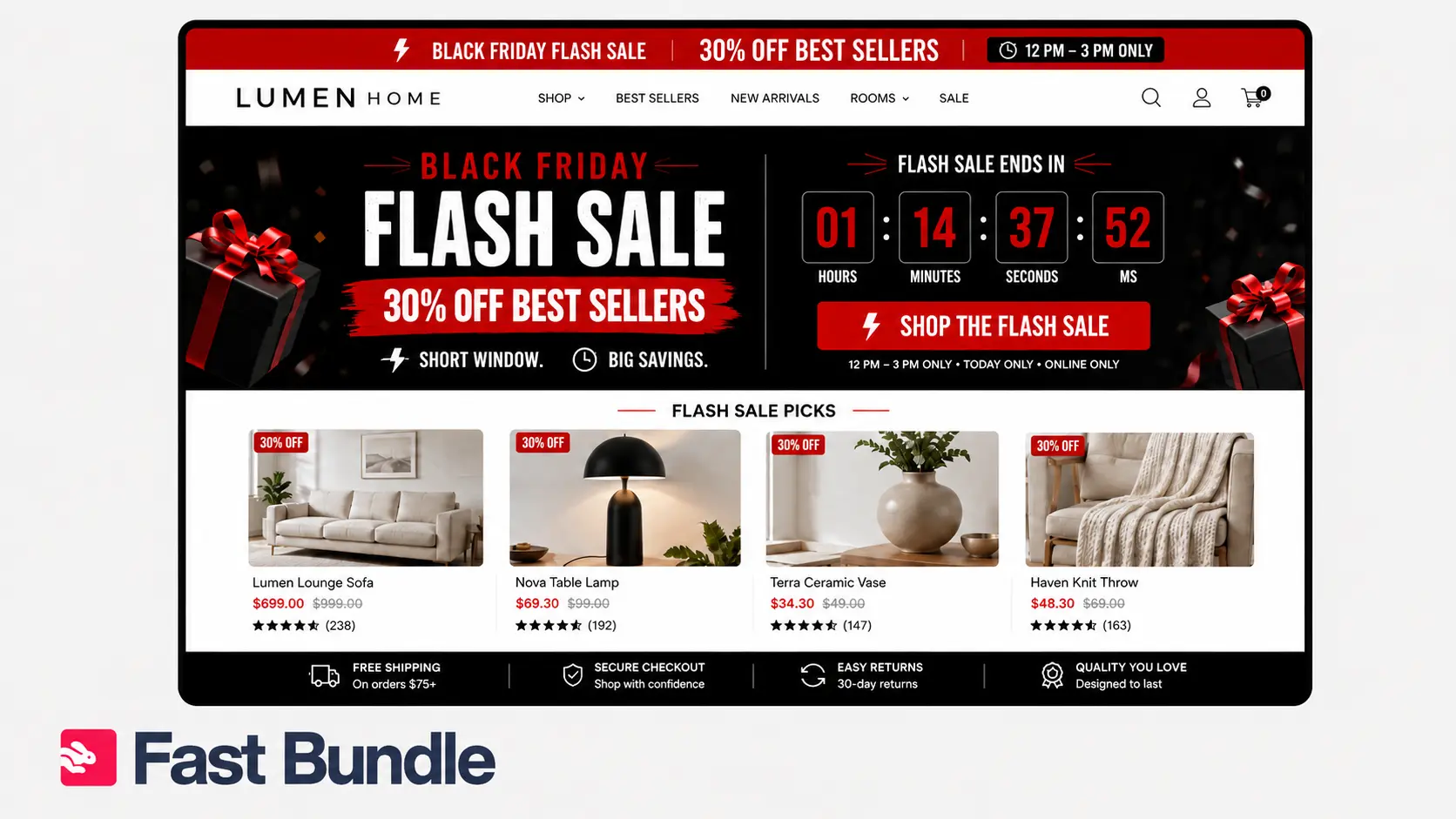
Run a Short Flash Sale

Offer a stronger deal for a limited window instead of keeping the same promotion live all weekend.

For example: 30% off best sellers from 12 PM to 3 PM.

Flash sales work best on a narrow selection rather than your whole catalog. A deeper discount on ten products for three hours costs far less than a shallow discount applied everywhere for four days, and it gives shoppers a concrete reason to act now.

Announce the window in advance through email and social so people are already waiting when it opens. A flash sale nobody knew about is just a discount.

Best for: Creating urgency and driving short bursts of sales.

12. Give Loyal Customers Early Access
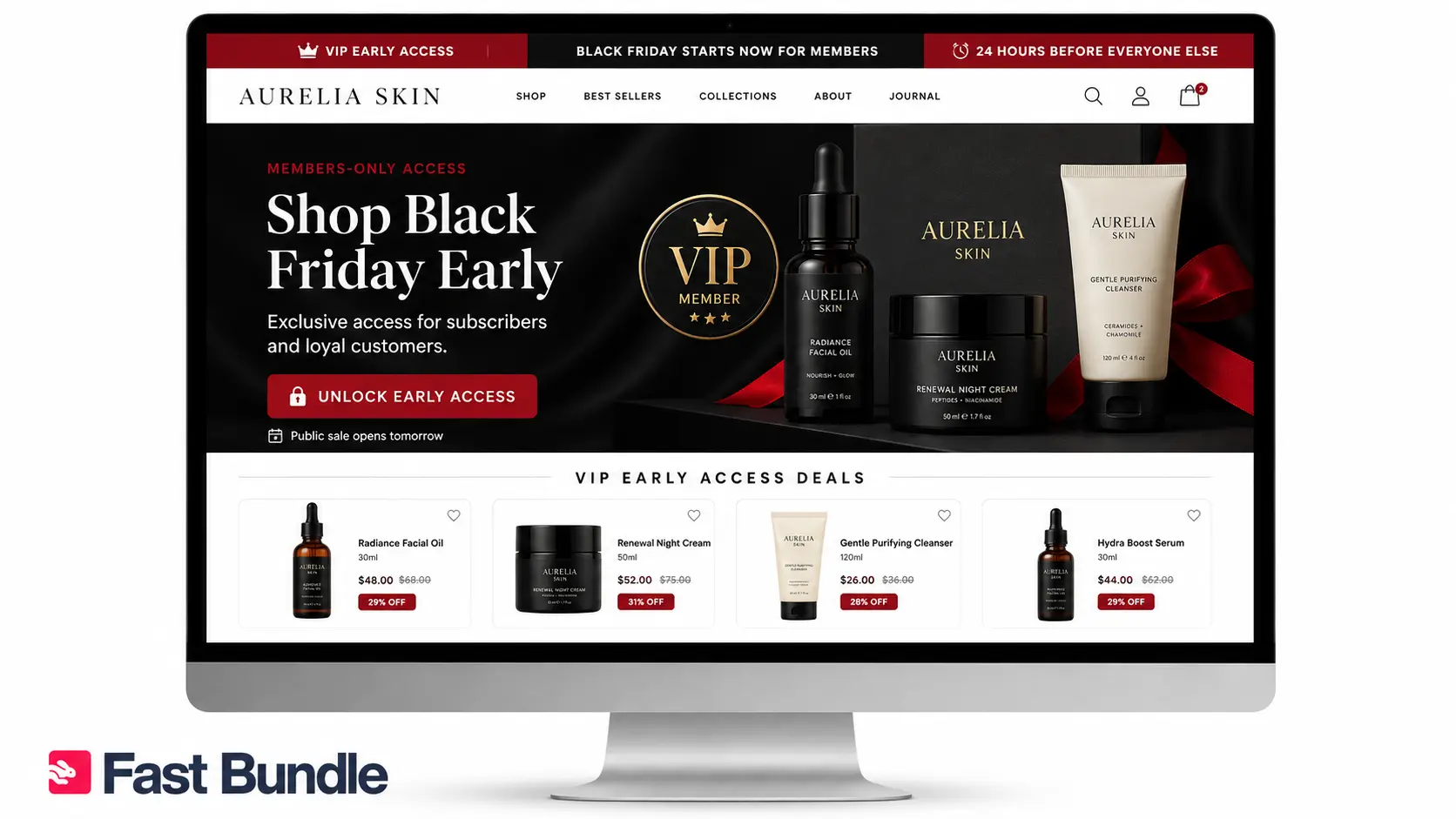
Give Loyal Customers Early Access

Let email subscribers, loyalty members, or repeat customers shop your Black Friday deals before everyone else.

For example: subscribers get access to the sale 24 hours early.

Early access does three things at once. It rewards the customers who cost you the least to sell to, it spreads order volume across more days instead of concentrating it on Friday, and it gives you an early read on which offers are working while there is still time to adjust.

You can also use it in reverse, as a reason to grow the list. An “early access opens Tuesday, subscribers only” campaign in the weeks before Black Friday tends to convert better than a generic newsletter signup prompt.

Best for: Rewarding loyal customers, growing your list, and generating early sales.

13. Launch a Black Friday-Only Product or Bundle

Create a product, bundle, color, or gift set that is only available during your Black Friday campaign.

For example: a limited-edition holiday skincare set available only during BFCM.

The advantage here is that an exclusive item has no reference price. Shoppers cannot compare it to what you charged last month or to what a competitor charges, so the offer is judged on its own terms rather than on discount depth.

This is also the cleanest way to run a Black Friday promotion without training customers to wait for sales, since nothing in your regular catalog gets marked down.

Best for: Creating exclusivity and protecting your regular pricing.

14. Drop a New Deal Each Day

Give shoppers a reason to return by featuring a different promotion each day of the weekend.

For example:

  • Friday: bundles
  • Saturday: free gift with purchase
  • Sunday: BOGO
  • Monday: sitewide discount

A daily structure lets you spread attention across several product categories rather than concentrating everything on your best sellers, and each day gives you a fresh reason to send an email without repeating yourself.

Publish the full schedule up front. Shoppers who know Sunday is BOGO day will come back for it, while a surprise offer only reaches whoever happens to be on your site that afternoon.

Best for: Repeat visits and extending engagement across the full BFCM weekend.

How to Add Urgency Without Overdoing It

Urgency tactics only work while shoppers believe them. Once a countdown resets on refresh or a “only 3 left” badge appears on every product, the whole store starts to feel less trustworthy, and that damage carries past the weekend.

  • Use countdown timers only when the offer has a real deadline
  • Show the exact end time of flash sales, not just a vague “ending soon”
  • Use low-stock messages only when inventory is genuinely limited
  • Avoid countdown timers that reset when the page reloads

Personalized Black Friday Promotions

Not every shopper needs the same Black Friday offer. Browsing history, past purchases, and cart contents all tell you something about what a person actually wants, and using that information means you can discount less while converting more. A targeted offer to someone who already wants the product costs far less than a sitewide discount aimed at everyone.

15. Discount Products a Shopper Already Viewed

Instead of sending a generic sitewide coupon, promote a discount on products the customer has already shown interest in.

For example: the jacket you viewed is now 25% off for Black Friday.

These shoppers have already done the hard part. They found the product, considered it, and stopped short of buying. A named-product offer removes the last bit of hesitation without asking them to start browsing again.

Keep the window tight. A browse-abandonment email is most effective within a day or two of the visit, and during BFCM that window shortens further because shoppers are comparing offers across many stores at once.

Best for: Converting high-intent shoppers who did not buy on their first visit.

16. Add a Black Friday Incentive to Abandoned Cart Recovery

Cart abandonment climbs during Black Friday because shoppers add items to several stores while they compare. A recovery message that names the specific products left behind gives them a reason to finish with you rather than a competitor.

For example: your cart is still saved, and the Black Friday price holds until midnight.

You do not always need to add a discount. During a sale weekend the deadline itself is the incentive, since the price the shopper saw genuinely expires. Reserve an extra discount for the second or third message, and only for carts above a value that justifies it.

Best for: Recovering revenue that is already halfway to checkout.

17. Send Black Friday Price-Drop Alerts

Let customers know when a product they viewed, saved, or added to their wishlist becomes part of your Black Friday sale.

For example: the headphones you saved just dropped from $129 to $89.

Price-drop alerts convert well because the shopper opted in themselves. They asked to hear about this exact product, so the message arrives as useful information rather than as marketing.

Show both the original and the new price in the subject line where you can. The saving is the whole message, and burying it inside the email costs you opens.

Best for: Bringing interested shoppers back to the store at the moment the price changes.

18. Give Different Customer Segments Different Offers

Match the promotion to the customer instead of giving everyone the same deal.

  • New customers: first-order Black Friday discount
  • Repeat customers: exclusive bundle or free gift
  • Inactive customers: stronger comeback offer
  • High-value customers: early access or a members-only bundle

The point of segmenting is not to discount more. It is to stop paying for conversions you would have won anyway. A loyal customer who buys every month does not need 25% off to place a Black Friday order, while a lapsed customer who has not opened an email since spring might.

Four segments is usually enough. Splitting the list further tends to add work without changing results, and during BFCM the time is better spent on the offers themselves.

Best for: Making discounts more targeted and reducing unnecessary discounting.

Gamified and Interactive Black Friday Promotions

Gamification can make a Black Friday offer feel more engaging without changing the underlying discount. A 10% code that a shopper unlocked themselves feels different from the same code sitting in a banner, even though it costs you exactly the same. The interaction needs to stay simple, and the reward needs to be clear before anyone plays.

19. Let Shoppers Scratch and Reveal a Deal

Hide a Black Friday reward behind a scratch card or reveal interaction.

For example: scratch to reveal 10% off, 15% off, free shipping, or a free gift.

Keep the reward pool small so shoppers understand the value immediately. Four outcomes is plenty, and every one of them should be worth having. If two of the four options are token rewards, people notice quickly and the mechanic stops working.

These usually sit behind an email or SMS capture, which is where most of the value is. The reveal gives shoppers a concrete reason to hand over an address at a time of year when they are being asked constantly.

Best for: Increasing engagement and email or SMS sign-ups.

20. Let Shoppers Pick Their Reward

Give customers a choice between a few Black Friday incentives instead of forcing one offer on everyone.

For example:

  • 15% off your order
  • Free gift with purchase
  • Free shipping

This works because shoppers value rewards differently. Someone buying one small item cares about shipping, while someone filling a cart for holiday gifts would rather have the percentage off. Letting them choose means each customer gets the incentive that actually moves them.

It also gives you useful data. Whichever option gets picked most tells you what your customers respond to, which is worth knowing before you plan next year’s campaign.

Best for: Personalization without building segments or targeting rules.
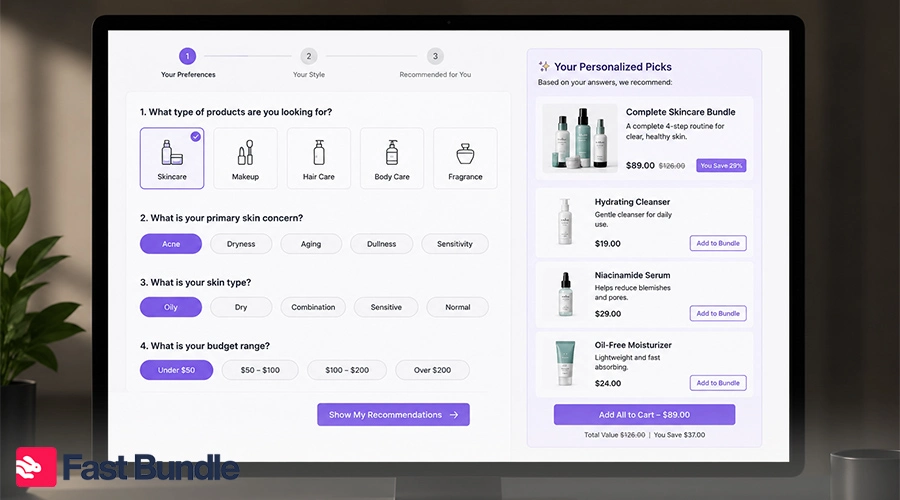
21. Run a Product Finder Quiz With a Reward

Ask shoppers a few short questions about what they need, then recommend products and attach a Black Friday offer to the result.

For example: answer 4 questions to find your routine and unlock 15% off the matching set.

A quiz does two jobs at once. It solves the choice problem for shoppers who land on a large catalog during a busy sale weekend and do not know where to start, and it produces a personalized recommendation that converts better than a category page.

Keep it to four or five questions. Anything longer and completion rates fall sharply, particularly on mobile, where most Black Friday browsing happens. Ending on a recommended bundle rather than a single product also lifts order value, since the quiz result naturally justifies why the items belong together.

Best for: Guiding shoppers through a large catalog and increasing engagement.

22. Run a Mystery Black Friday Offer

Let shoppers unlock a surprise reward before checkout or after joining your email or SMS list.

For example: unlock your Black Friday mystery offer.

The reward could be a discount, a free gift, free shipping, or store credit. Avoid making every outcome feel insignificant. The mystery only works if shoppers believe there is something worth unlocking, and a pool of weak rewards teaches them to ignore the next one.

Set a floor on the reward pool and say so up front. Something like “every offer is worth at least 10% off” removes the risk that a shopper feels cheated by the result, while still keeping the outcome unknown.

Best for: Creating curiosity and increasing engagement at the point of capture.

Creator and Social Commerce Promotions

Black Friday promotions can also be built around creators and social channels. The strongest ones give shoppers something they cannot get from the main store sale, which is what makes the creator worth following and the channel worth checking.

23. Create a Creator-Exclusive Black Friday Offer

Give a creator or affiliate their own Black Friday deal, bundle, or discount code.

For example: shop this creator’s Black Friday picks and save 20% on the full set.

A curated set works better than a generic percentage code. The creator is effectively recommending a specific combination of products, which is more persuasive than a discount anyone could find on your homepage, and it lifts order value at the same time.

It also solves attribution. A named bundle or code tells you exactly which creator drove which orders, which matters when you are deciding who to work with again next year.

Best for: Acquiring new customers through creators and affiliates.

24. Launch a Social-Exclusive Bundle

Create a product bundle that is only available through a specific social campaign or shopping channel.

For example: a TikTok-exclusive skincare bundle available during Black Friday weekend.

The offer can combine an exclusive product mix, a special price, or a free gift to make the social promotion feel different from your main sitewide sale. Without that difference, shoppers who see the post will simply go to your homepage and buy whatever is cheapest there.

Give the bundle its own name and its own landing page. It makes the offer easier to talk about in a caption and easier to measure afterwards.

Best for: Driving sales from social commerce channels.

25. Run a Live-Shopping-Only Deal

Offer a limited promotion that shoppers can unlock while watching a live product demo, creator stream, or social shopping event.

For example: free gift with purchase for orders placed during the live event.

Keep the offer simple and time-bound so viewers immediately understand what they get and when it expires. A live audience is already leaning toward buying, and a complicated offer gives them a reason to leave the stream and think about it instead.

Announce the offer at the start and repeat it near the end. Most viewers join partway through, so anyone who only hears it once will miss it.

Best for: Turning live engagement into immediate purchases.

26. Reward Customers for Sharing Their Purchase

Turn Black Friday buyers into your December marketing by offering something in return for a post, a photo, or a review.

For example: share a photo of your order and get store credit toward your next purchase.

The timing works in your favour. Black Friday orders arrive in the weeks before the holidays, when shoppers are already unboxing and photographing things, and the content they create keeps working long after the sale ends.

Reward with store credit rather than a discount code. Credit brings the customer back to buy again, while a code just makes their next purchase cheaper if they were going to make one anyway.

Best for: Generating content and driving repeat purchases after BFCM.

Post-Purchase and Loyalty Promotions

Black Friday does not have to end at checkout. The weekend brings in a large number of first-time buyers who found you through a discount, and most of them will never come back unless you give them a reason. Post-purchase and loyalty offers are what turn a one-off deal shopper into a customer.

27. Give Customers a Bounce-Back Offer

Include a limited-time offer for the customer’s next purchase after they complete a Black Friday order.

For example: get $15 off your next order when you shop again before December 20.

Set an expiry date so the offer encourages a second purchase instead of being forgotten. A deadline in mid-December works well, since it lands while shoppers are still buying gifts rather than after the season has ended.

Deliver it in the order confirmation or the shipping email rather than a separate campaign. Those messages get opened far more often than promotional email, especially in the week after Black Friday when inboxes are still crowded.

Best for: Increasing repeat purchases in the weeks after Black Friday.

28. Offer Store Credit Instead of a Bigger Discount

Reward customers with credit they can use on a future order rather than increasing the upfront discount.

For example: spend $150 during Black Friday and receive $25 in store credit for December.

The difference from a bounce-back coupon is that credit is earned by hitting a threshold, so it lifts order value during the sale as well as pulling customers back afterwards. A shopper at $130 has a concrete reason to add one more item.

Credit also costs you less than the face value suggests, since most redemptions come attached to an order worth more than the credit itself.

Best for: Protecting margin while encouraging both a larger first order and a second one.

29. Add a Black Friday Loyalty Bonus

Give loyalty members extra points, rewards, or status benefits when they shop during BFCM.

For example: earn double loyalty points on all Black Friday orders.

Bonus points are one of the cheapest incentives available during a discount-heavy weekend. They cost nothing at the point of sale, and a portion of them are never redeemed at all, which makes them a useful way to add perceived value when your margins are already thin.

You can also offer bonus points for reaching a spending threshold or for buying selected products you want to move.

Best for: Increasing loyalty participation and customer lifetime value.

30. Set Up a January Comeback Offer

Send Black Friday buyers a reason to return in January, when store traffic drops and most brands have stopped marketing entirely.

For example: your Black Friday order came with a January reward, and it is ready to use.

January is the cheapest month of the year to reach your own customers. Inboxes are quiet, ad costs have fallen back from their December peak, and a message that arrives then competes with almost nothing. The same email sent on December 5 would be one of forty.

Tie the offer to categories that suit the season rather than repeating your Black Friday deals. Replenishment, refills, and starter kits all fit the way people shop in January, and they give the message a reason to exist beyond another discount.

Set the reward up at the time of the Black Friday order so it is automatic. A comeback offer that depends on someone remembering to build a campaign in the first week of January usually does not get sent.

Best for: Recovering revenue in a slow month and turning BFCM buyers into repeat customers.

When to Launch Your Black Friday Promotions

Black Friday 2026 falls on November 27, with Cyber Monday on November 30. Most of the work that decides how the weekend goes happens in October, well before shoppers start looking for deals, and the revenue you keep afterwards depends on what you set up in the week following. Here is the full timeline.

1
Week of October 12 Decide what the campaign is for
  • Pick the goal first, then choose two or three promotions that serve it
  • Run the margin numbers on each offer before committing to a discount depth
  • Confirm inventory for anything you plan to bundle, discount, or give away
  • Set the dates your offers open and close, including any early access window
2
Week of October 19 Build the offers and test them
  • Set up bundles, tiers, and discount rules in your store
  • Place a real test order through every promotion, including carts where two offers overlap
  • Build the landing pages and collection pages the campaign will send traffic to
  • Brief creators and affiliates now so they have time to plan their content
3
Week of October 26 Get the store ready for the traffic
  • Audit page speed and compress anything slowing the product pages down
  • Test the full checkout flow on a phone, not just a desktop browser
  • Check how promotion banners and bundle widgets render on a small screen
  • Work through your BFCM checklist and close anything still open
4
Week of November 9 Warm up the audience
  • Start teasing the sale on email and social without revealing the full offer
  • Open early access signups to grow the list before the weekend
  • Publish gift guides so browsing traffic has somewhere useful to land
  • Write and schedule the full email and SMS sequence rather than drafting it day by day
5
Week of November 16 Open early access and go live with ads
  • Give subscribers and loyalty members first access to the sale
  • Launch paid campaigns and retargeting before costs peak
  • Watch which offers convert and adjust while there is still time to change them
  • Turn on abandoned cart and post-purchase flows ahead of the volume
Friday, November 27 Black Friday
6
November 28 to 29 Keep the weekend moving
  • Rotate the featured offer each day so returning shoppers see something new
  • Send a reminder to anyone who opened but did not buy
  • Pull underperforming offers rather than leaving them live out of habit
Monday, November 30 Cyber Monday
7
Week of December 1 Turn buyers into customers
  • Send bounce-back offers and store credit reminders while the purchase is still recent
  • Ask for reviews and photos from orders that have already arrived
  • Schedule the January comeback offer now, before the season ends and it gets forgotten
  • Record which offers worked so next year starts from data rather than memory

Black Friday Promotion Mistakes to Avoid

A strong offer can still underperform if the campaign is too complicated, too aggressive, or poorly timed. Avoid these common mistakes before your Black Friday promotion goes live.

Discounting Too Deeply

Do not choose a discount based only on what competitors are offering. Calculate the impact on margin first, and use bundles, free gifts, or spend-based rewards when a deeper markdown is not profitable.

Running Too Many Offers at Once

BOGO, free shipping, a free gift, and 25% off on the same page can make the offer harder to understand. Lead with one primary promotion and use secondary incentives only when they support it.

Starting Too Late

Do not wait until Black Friday week to build and test the campaign. Promotion rules, inventory, landing pages, emails, and checkout should be ready before traffic starts increasing.

Using Fake Urgency

Countdown timers, limited-stock warnings, and messages that say the offer is ending soon should reflect real deadlines or real inventory. Fake scarcity can damage trust long after the sale ends.

Overlooking Mobile and Page Speed

Most Black Friday traffic arrives on mobile, and a slow product page loses shoppers before they ever see the offer. Compress images, check how your promotion banners render on a small screen, and test the full checkout flow on a phone rather than a desktop browser.

Launching Without Testing the Offer

Place a real order through every promotion you plan to run. Discount rules that look correct in the admin can behave differently at checkout, especially when two offers apply to the same cart, and Black Friday morning is the worst possible time to find out.

Ignoring What Happens After Checkout

Black Friday brings in many first-time customers. Have a post-purchase plan ready, such as store credit, loyalty rewards, or a December or January comeback offer, to give them a reason to return.

Start With the Goal, Not the Discount

The best Black Friday promotion is not necessarily the one with the biggest discount. Start with the result you want, whether that is higher average order value, more conversions, new customers, or stronger retention, and choose an offer that supports that goal without putting unnecessary pressure on your margins.

You also do not need to run several promotions at once. One clear primary offer, supported by one or two smaller incentives, is usually easier for shoppers to understand and easier for your team to execute.

Built for BFCM Build your Black Friday bundles in one place

Fast Bundle is a bundling-first Shopify app that helps merchants increase average order value. Set up the offers from this guide without touching your theme code.

  • Mix and Match
  • Build a Box
  • Volume Discounts
  • BOGO
  • Frequently Bought Together
Try Fast Bundle Plans from $19 per month. Free trial available.
5.0 on the Shopify App Store

FAQ

When should I start preparing for Black Friday?

Ideally, at least 4 weeks before. Early prep helps you test campaigns, fix website issues, and warm up audiences before the rush. The best-performing Shopify stores start teasing offers by early November.

It depends on your goal.

  • Tiered discounts boost average order value.

  • Limited-time offers create urgency.

  • Steep discounts help clear inventory.

  • Fixed storewide deals attract first-time buyers.
    Combining two types often drives the best results.

Focus on storytelling, personalization, and loyalty.
Offer early access, reward your email subscribers, and use bundles or gifting guides to stand out. Authenticity often wins over massive ad budgets.

Starting too late. Rushing leads to technical errors, unclear messaging, and missed conversion opportunities. Always plan your offers, automation, and creative assets at least a month ahead.

Content Writer at Fast Bundle & eCommerce Content Specialist

Rozhan is a Content Writer at Fast Bundle, where she produces strategic, value-packed content to help ecommerce businesses (especially Shopify stores) grow their revenue through smart product bundling. Her work focuses on simplifying bundling techniques, enhancing customer experience, and sharing data-backed insights that drive conversions. With a passion for clear communication and a background in digital marketing, Rozhan turns complex ecommerce ideas into accessible, results-driven articles.