What Is Shopify Average Order Value (AOV)?
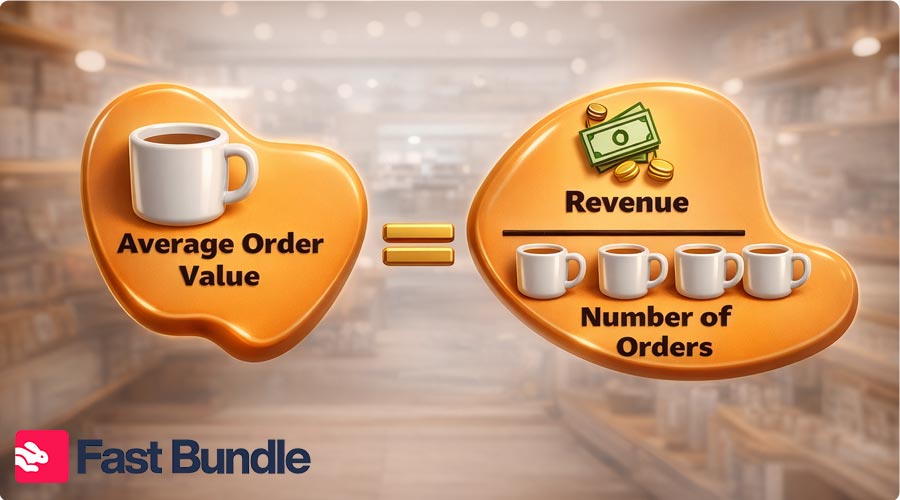
Every order means something for your Shopify store, and understanding the concept of AOV helps you better understand the path in front of you.
Shopify AOV definition
The Shopify AOV is the average amount customers spend per transaction in your store. The concept is crucial in ecommerce platforms like Shopify, especially for Shopify merchants, as it helps evaluate sales performance and refine strategies like upselling and product bundling.
AOV vs conversion rate (which one to improve first?)
Why AOV matters for Shopify merchants (revenue per order + profitability)
Increasing revenue without the extra expense of acquiring new customers will be your most vital gain from the Shopify aov boost. By encouraging existing customers to add more items to their cart, you can maximize sales from each transaction. Additionally, targeting these customers with tailored marketing campaigns is cost-effective and improves ROI.
How to Find Average Order Value Report in Shopify Analytics
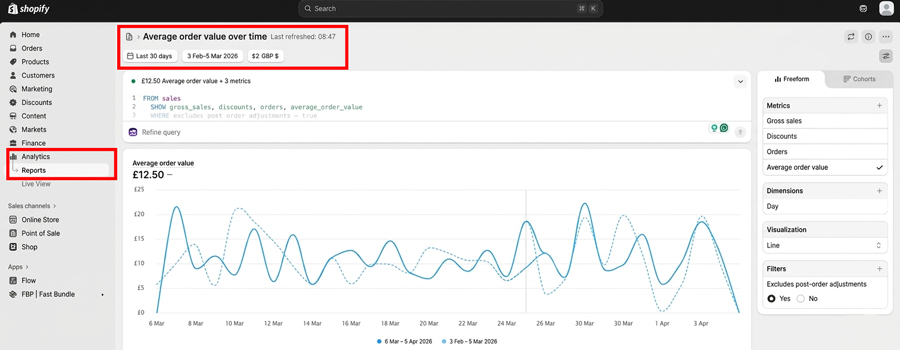
You can find the Average Order Value (AOV) report in Shopify Analytics by following these steps:
- From your Shopify admin, go to Analytics > Reports.
- Search for “Average order value over time” or browse the Sales category.
- Click on the report to open it.
- Use the Group by option to view your AOV by hour, day, week, month, quarter, or year.
- Optionally, use the date range selector to compare different time periods.
Common tracking mistakes (refunds, discounts, shipping, taxes)
- Including refunds in revenue: This inflates AOV. Always exclude refunded orders to reflect real earned revenue.
- Ignoring discounts: Using gross sales instead of net sales overstates AOV.
- Adding shipping revenue: Shipping fees should be excluded unless part of product pricing strategy.
- Including taxes: Taxes are not revenue; including them distorts AOV accuracy.
- Mixing data sources: Inconsistent tracking across tools leads to misleading AOV comparisons.
What Is a Good Average Order Value on Shopify?
Every store can have a different definition when it comes to AOV. Let’s read about what is considered “good”.
The “good AOV” rule: compare to your price point + margins
A “good AOV on Shopify” depends on your niche, pricing, and margins, but most Shopify stores increase theirs overtime.
- Low AOV ($20–$50): common for impulse or low-ticket products.
- Mid AOV ($50–$100): typical for growing ecommerce brands.
- High AOV ($100+): strong performance, often with bundles or premium products.
Benchmarks by industry (apparel, beauty, home, electronics, luxury)
Different industries have different order numbers and capacities. Here’s a very short guide on Shopify AOV benchmarks in industries.
 Apparel: Apparel and accessories typically see AOVs around $40-$170. A well-known example is bundling a dress with sandals and sunglasses to increase basket size.
 Beauty: These brands average between $15 to $90. For example, Kopari Beauty increases AOV by offering free gifts above a spending threshold.
 Home: Home and furniture often reach ~$250+ AOV. Brands like Industry West increase AOV through personalization and curated product sets.
 Electronics: Electronics average around $80+ AOV. A typical example is bundling a phone with accessories like cases and chargers.
 Luxury: Luxury exceeds $300 AOV, more than other industries. Brands like Gemist achieve this through high-ticket, personalized purchasing experiences.
12 Proven Ways to Increase Shopify AOV
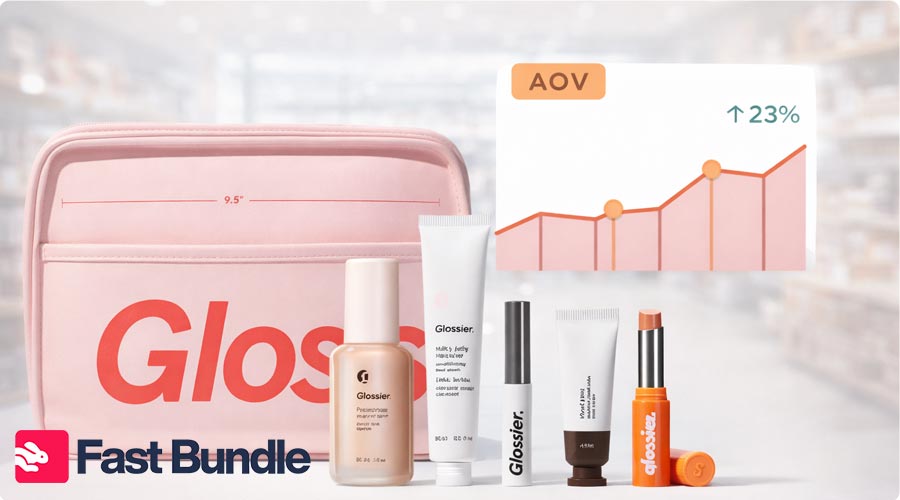
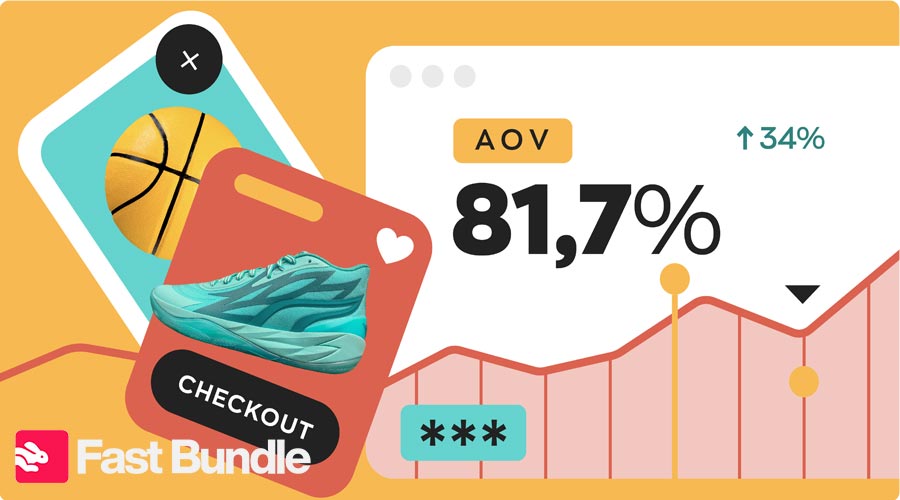
To increase average order value in a Shopify style, you need to approach it realistically. Here are the top ways to increase your AOV (generally fitting all kinds of stores).
Bundles & thresholds (highest impact)
1. Product bundling on Shopify (kits, bundles, packages)
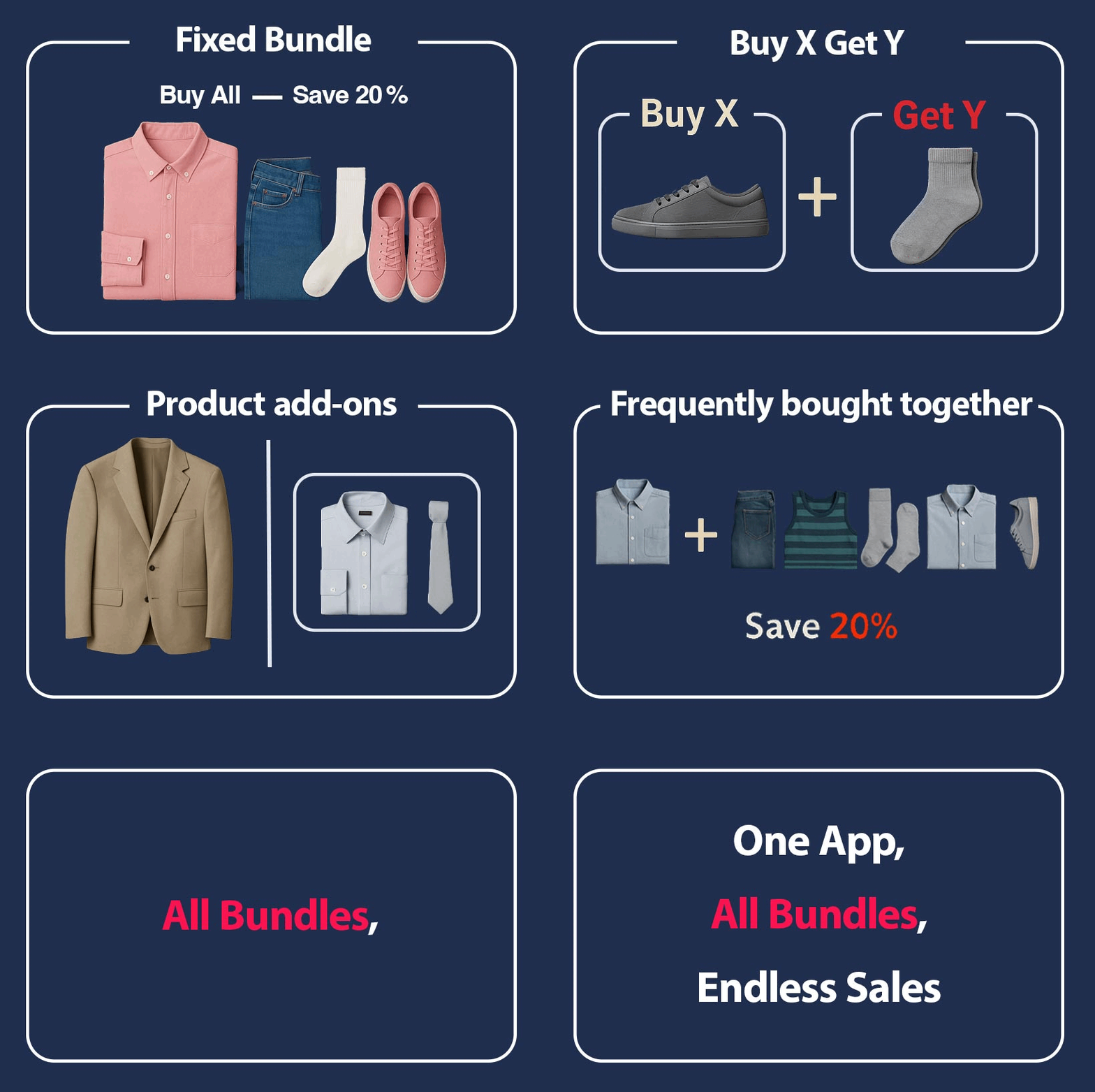
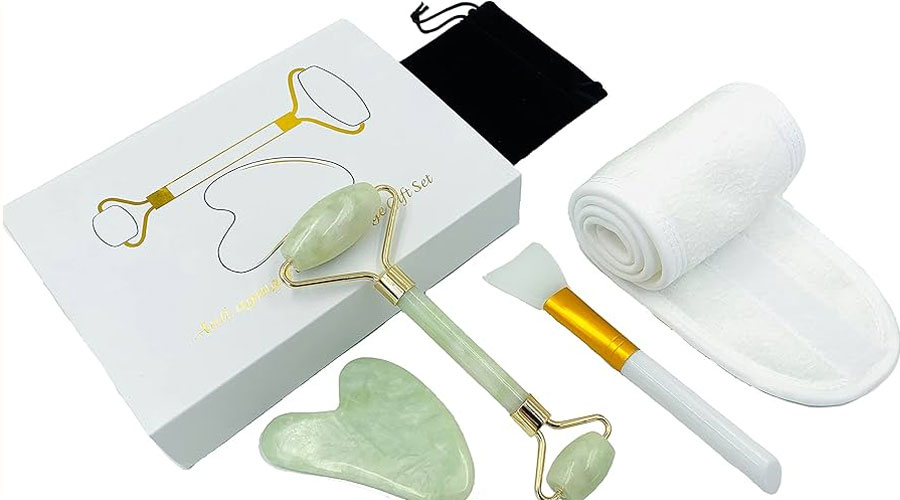
Group complementary products into bundles so customers buy more items together. This increases the perceived value and AOV. Brands are free to do this based on what they offer, like a beauty pack (Facewash + Crystal rollers), or a camp essentials pack (travel mug + mini stove + plasticware).
2. Free shipping threshold (and how to set it)
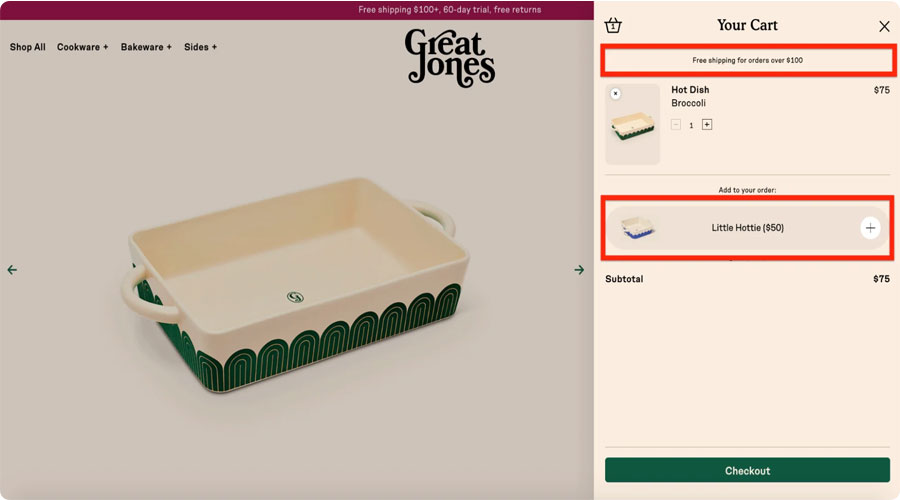
Set your threshold a bit above the current AOV to encourage customers to add more items to qualify for free shipping. This is proven to work most of the time, like the photo above where the shipping is free after a $100 purchase.
3. Gift with purchase (tiered gifts)
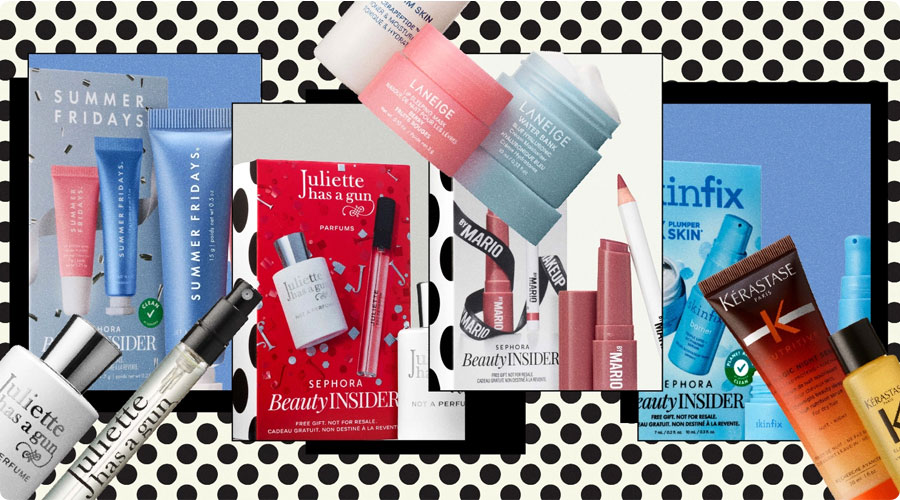
Offer tiered gifts at different spending levels to encourage customers to increase cart value step by step. Sephora is a strong example. Their tiered “gift with purchase” campaigns (Beauty Insider rewards) have been shown to increase basket size, with reports indicating AOV lifts of 20%+ during GWP promotions.
Upsell & cross-sell (PDP + cart)
4. Upsell vs cross-sell (real examples)
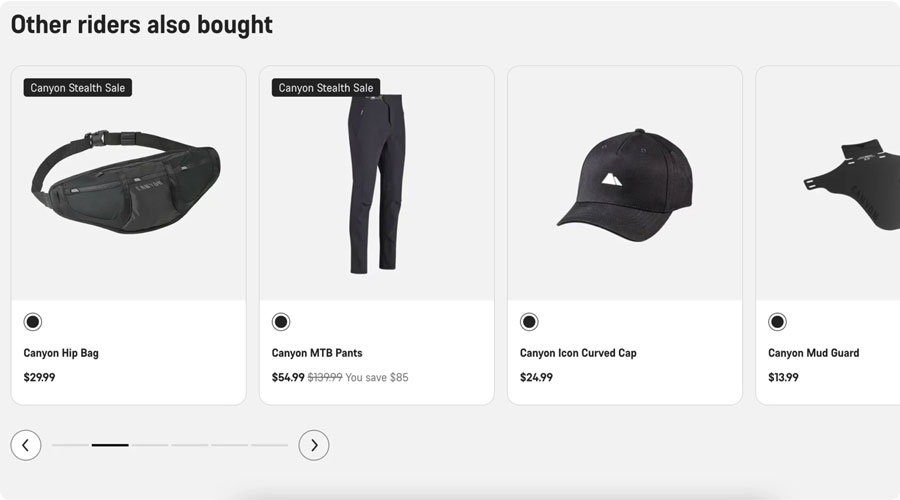
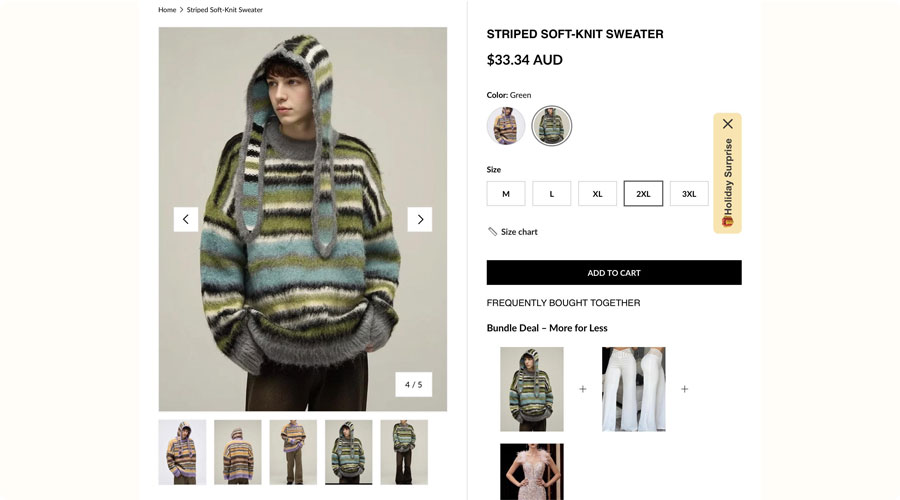
Upsell promotes a higher-value version, like Apple offering upgraded iPhone storage. Cross-sell suggests complements, like clothing brands “frequently bought together.” Both of these strategies increase cart size by guiding customers toward higher-value purchases.
5. Frequently bought together recommendations
Show commonly paired products on product and cart pages to increase cart size. If you have a mid to high product variation, you can easily do this manually or with apps.
Checkout & post-purchase strategies
6. Post-purchase upsells (low risk, high lift)
Offer additional products after checkout when payment is completed.
7. One-click add-ons/order bumps
Add simple one-click offers in the cart or checkout to encourage quick and easy product additions.
8. Cart urgency (countdown / low stock)
Retention & customer experience
9. Loyalty programs that increase order size
Reward higher spending with points or perks, to encourage customers for bigger purchases.
10. Subscriptions and “subscribe & save”
Offer discounts for recurring purchases to increase lifetime value and average order consistency.
11. Reduce friction (mobile UX, trust signals, reviews)
Improve mobile experience, add trust badges and reviews to reduce hesitation and increase cart completion.
12. Personalization (AI recommendations)
Shopify Bundling (Fastest Lever to Increase AOV)
Bundles mean natural bigger cart sizes and higher spends. Here’s how it can evolve your profits and increase AOV.
Why bundling works (perceived value + convenience)
Bundling increases perceived value and makes decisions easier. Buyers feel they are getting a better deal, and at the same time, you reduce friction by packaging complementary products into a single easy choice.
Bundle types that lift AOV on Shopify (Mix & Match, BOGO, Volume)
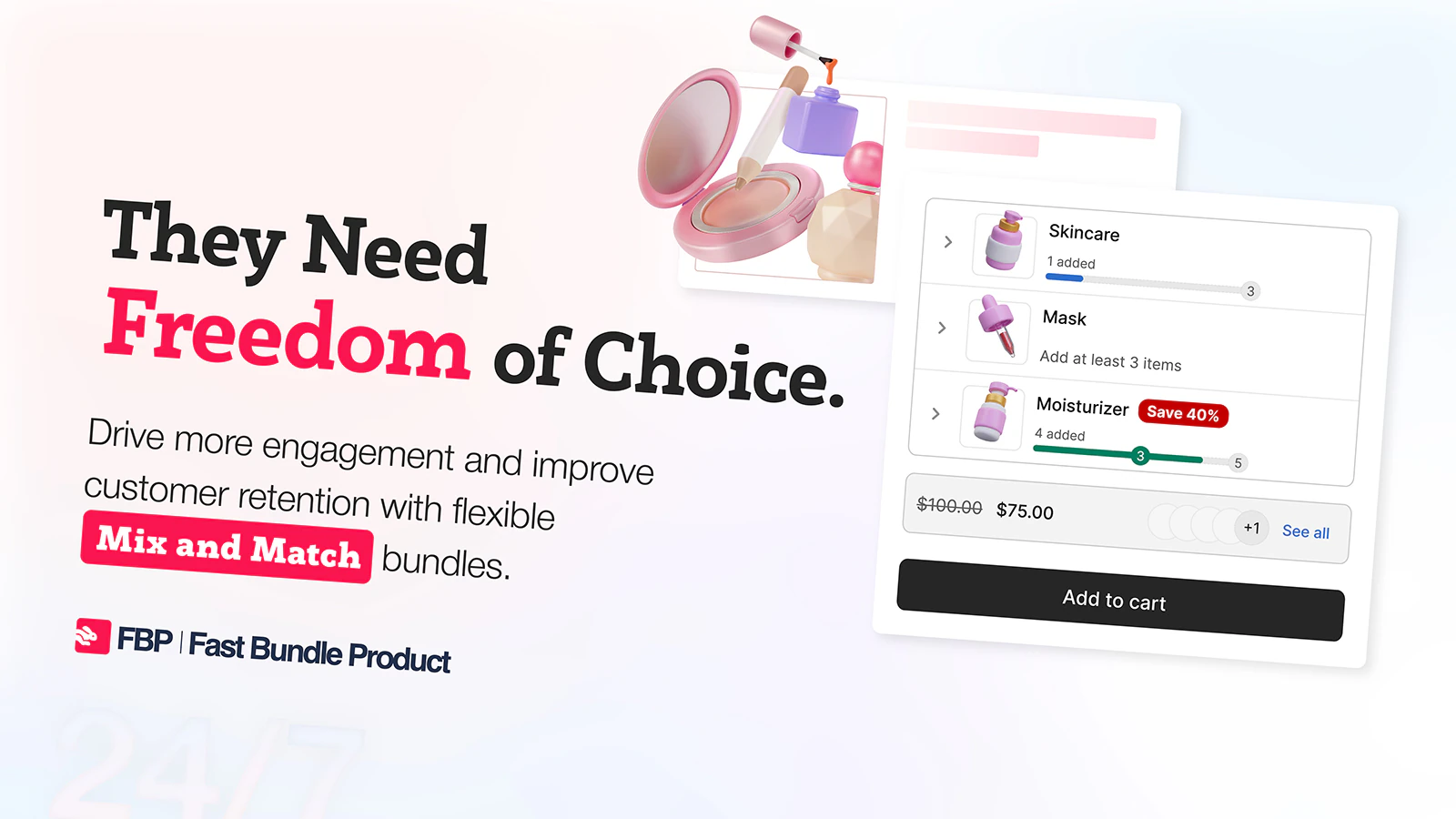
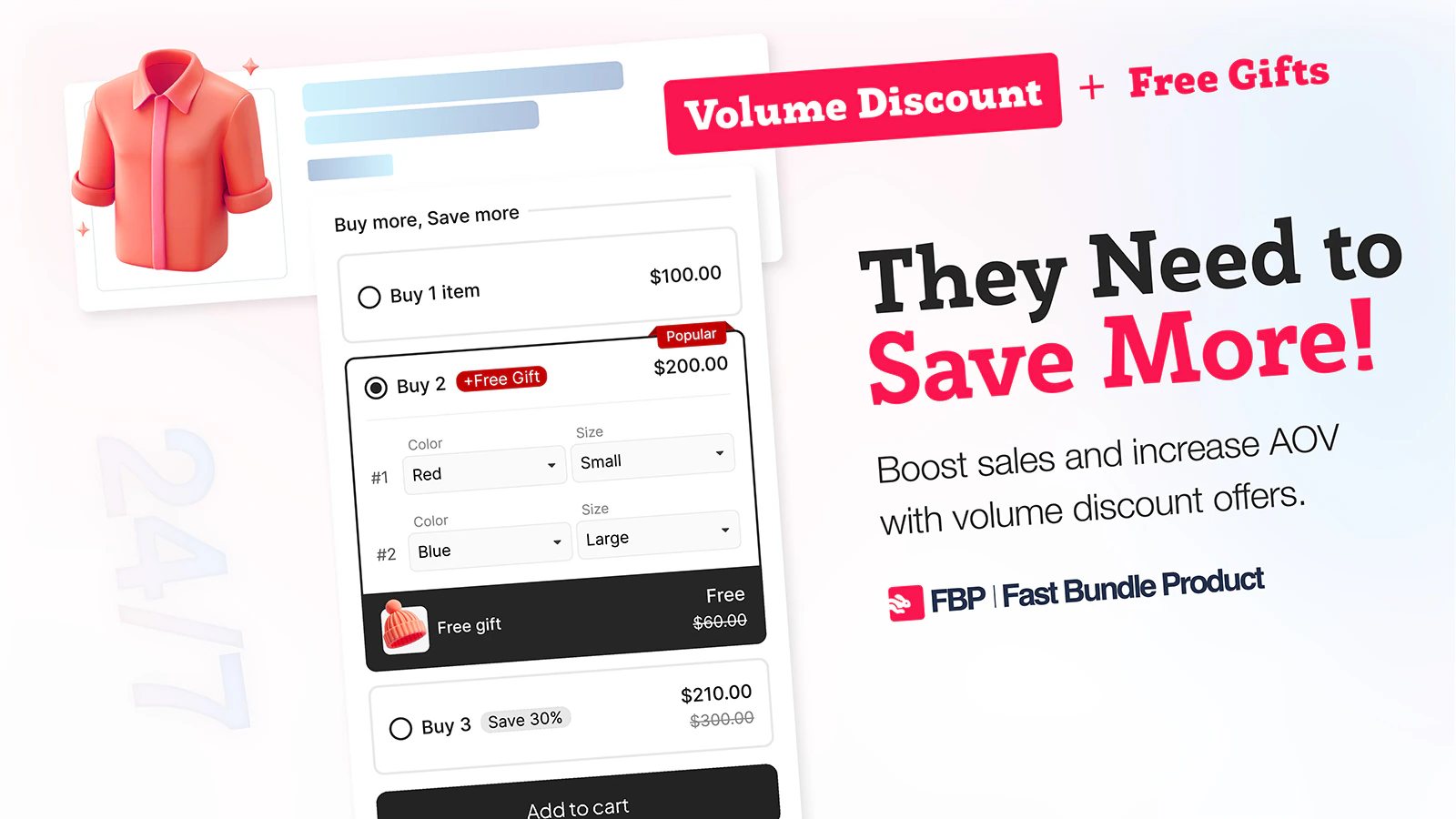
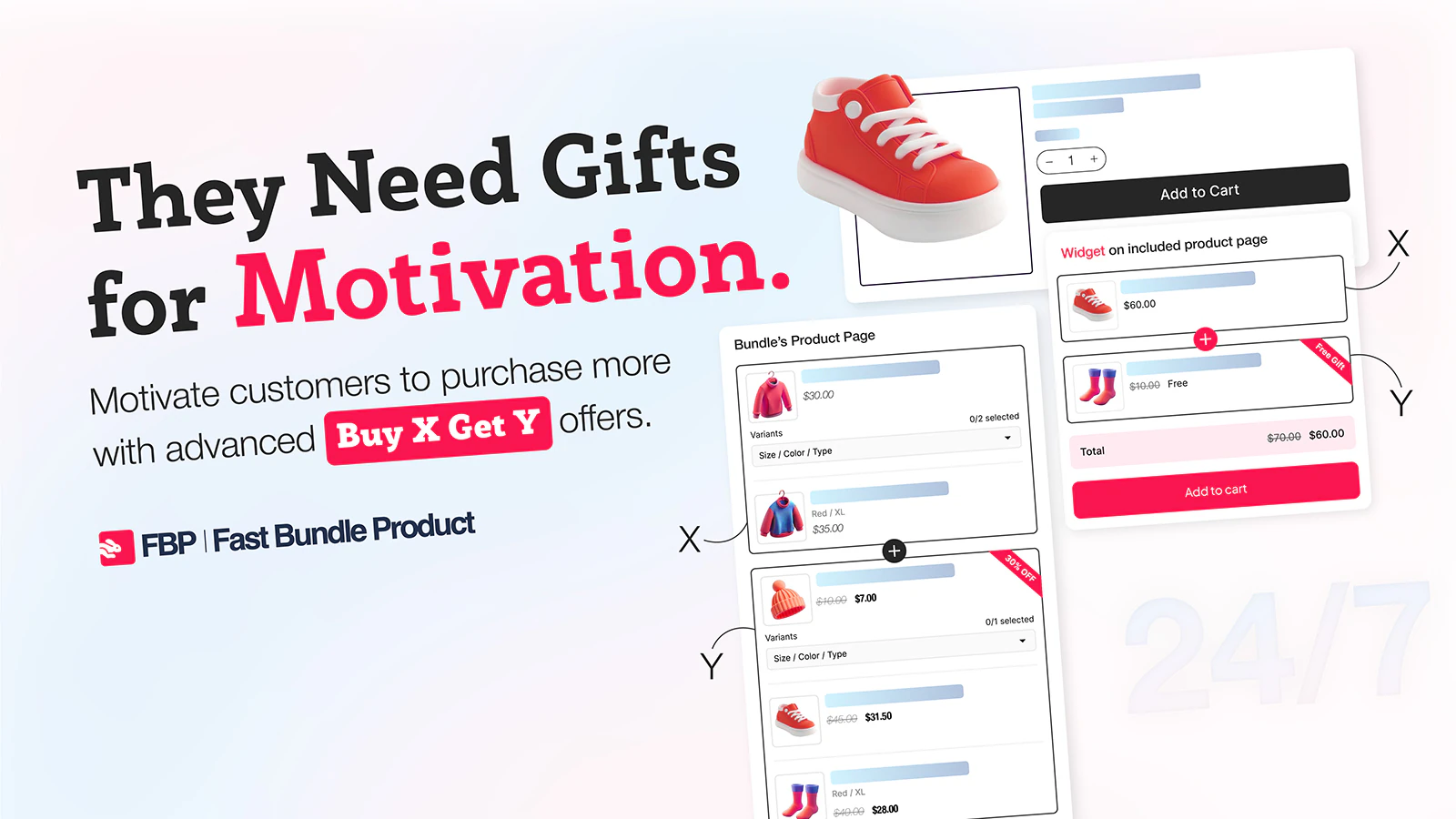
Different bundle types have different goals. For example Mix & Match lets customers build their own packs, increasing engagement. BOGO (Buy One Get One) creates urgency and higher quantities. Volume discounts encourage customers to buy more by offering better pricing at higher quantities.
How Fast Bundle helps you launch bundles without discount chaos
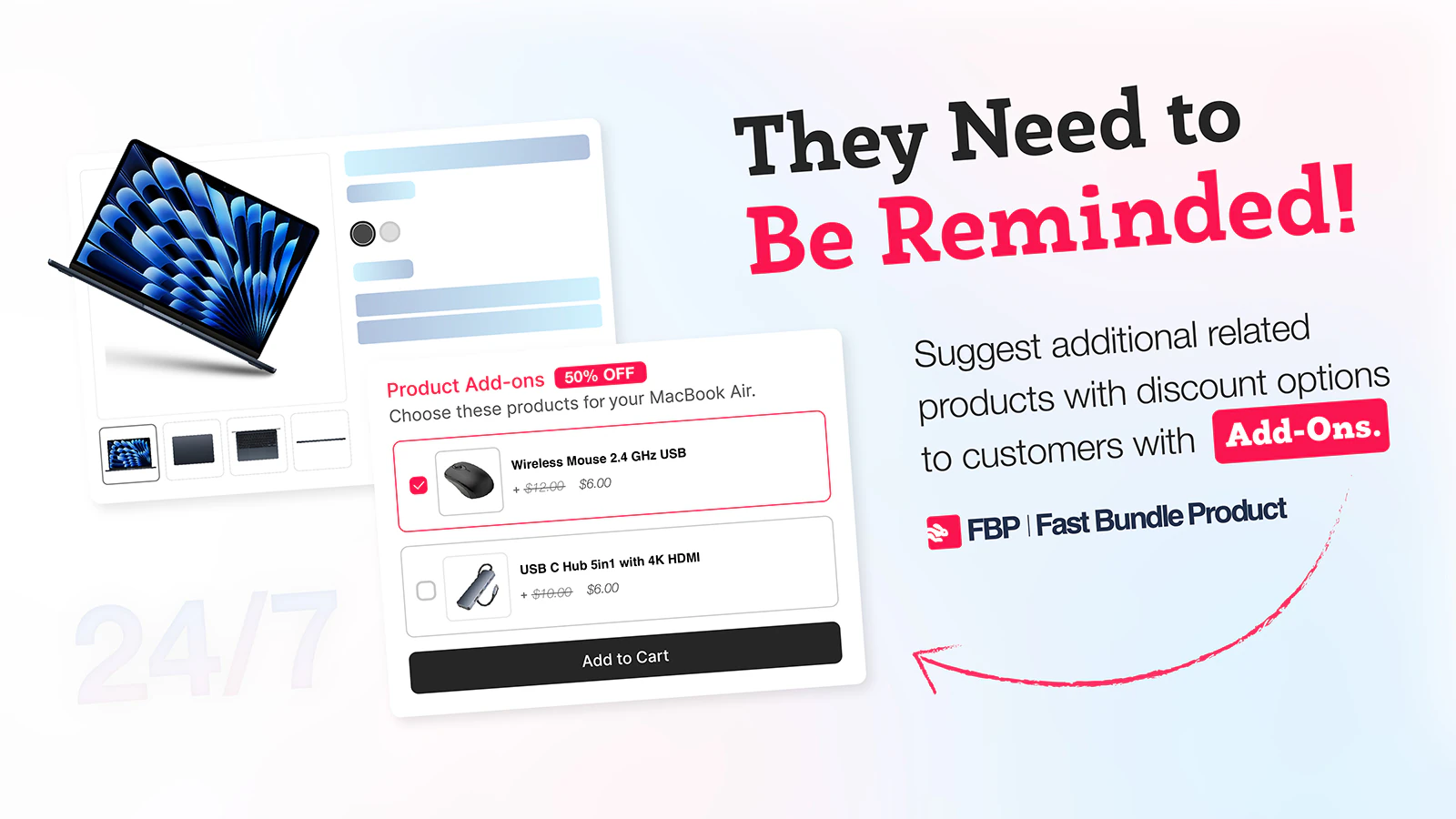
A tool like Fast Bundle helps you launch all these bundle types without creating discount chaos. It has a unified experience and quick processes, so instead of stacking manual discounts or breaking your pricing logic, you can manage bundles, offers, and rules in one place. Your storefront remains untouched, and you’ll have access to more than 20 bundle variations.
How to Track and Optimize AOV Over Time
✅AOV + conversion rate + margin (the 3-metric dashboard)
Track AOV with conversion rate and profit margin together to make sure your growth comes from real revenue and not discounts.
✅How long to run tests (when results become meaningful)
It’s best to do tests for at least two weeks or until statistically significant data appears.
✅Common mistakes that hurt AOV (too much discounting, too aggressive upsells)
Excessive discounts lower your margins, while aggressive upsells harm conversion rate; so make sure to balance value and experience to grow AOV in a sustainable way.

 BOGOS Free Gift
 ReConvert
ReConvert boosts AOV by offering post-purchase upsells through customizable thank-you pages. Suggest related or premium products after checkout to encourage additional purchases, enhancing profitability without disrupting the customer experience.
 Bold Upsell
Bold Upsell enhances AOV by presenting tailored upsell and cross-sell options during checkout. Show complementary or premium products to encourage larger purchases, optimizing revenue from every customer interaction.
 Discount Ninja
Discount Ninja increases AOV with dynamic, customizable discount rules. Use volume discounts, limited-time deals, and targeted promotions to incentivize higher cart values and drive profitability effectively.
 LoyaltyLion
LoyaltyLion drives repeat purchases with rewards programs. Encourage customers to spend more by offering points or perks, fostering loyalty while increasing AOV through higher-value transactions.