What Is Customer Retention? (For Shopify Stores)

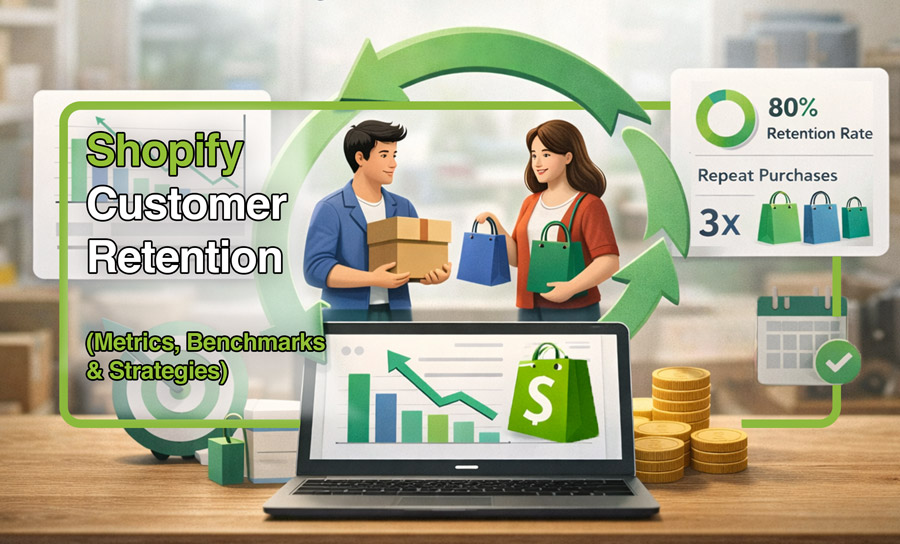
Customer retention is the ability of a store to bring customers back and make repeated purchases over a period of time. It’s important to know the difference between this concept and “acquisition”, which is: the ability of a store to gain new customers.
Retention marketing is about what happens after the first purchase. For a Shopify store, it means creating email campaigns, loyalty programs, subscriptions, bundles, and personalized on-site experiences. In retention marketing, you’re not necessarily seeking new customers, but focusing on building trust so your shoppers come back.
Before we go into customer retention strategies, let’s first define how Shopify customer retention is measured in practice. Next, we’ll look at the core metrics behind this concept before diving into the strategies.
Why Shopify Customer Retention Matters More Than Acquisition
Acquiring new customers is not cheap, and it’s becoming less cheap every year. Things like the cost of paid ads, competition and tight margins can make the job challenging for you. So it’s logical to keep customers rather than to look for new ones, especially in the long run.
This is why Shopify customer retention matters more than acquisition in the long run. Retained customers typically have a higher lifetime value, and are more willing to try new products. They will also recommend your brand and create UGC.
Lets learn with numbers:
- Imagine a store with a 20% repeat purchase rate must constantly replace 80% of its customers to maintain revenue. While a store with a 40% repeat purchase rate generates more revenue from the same traffic, grows LTV faster, and relies less on paid acquisition over time.
How to Calculate Your Shopify Customer Retention Rate
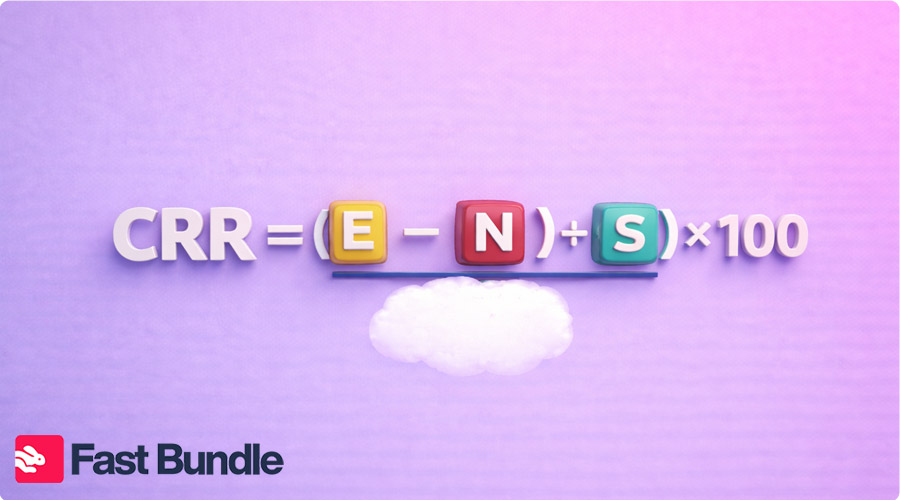
To understand how well a shopify store keeps its customers, CRR or Customer Retention Rate is the core metric. Lets put a number to the concept to understand it better. Higher numbers show that buyers are coming back, while lower numbers can imply the store depends only on new ones.
The standard customer retention rate formula is:
CRR = ((E − N) ÷ S) × 100
- S = number of customers at the start of the period
- E = number of customers at the end of the period
- N = number of new customers acquired during that period
This formula lets you measure how many of your starting customers are still customers at the end, ignoring anyone new who joined during the period.
Here’s a Shopify example:
In January, you start with 1,000 customers on your Shopify store. By the end of the month, you have 1,300 customers, meaning 500 of them are new.
CRR = ((1,300 − 500) ÷ 1,000) × 100 = 80%
Your Shopify customer retention rate for January is 80%.
Where to Find Shopify Retention Data (Analytics & Tools)
Shopify Analytics provides you with the basic retention data, especially through customer reports such as returning customer rate and cohort analysis. These reports show how often customers come back and how repeat behaviour changes over time.
You can also use third-party analytics tools or dashboards that calculate retention metrics automatically. Tools like ThoughtMetric or Joy can surface retention trends without manual work, especially for larger stores.
If you prefer full control, you can build a simple customer retention rate calculator in Google Sheets or Excel using the formula above. Export customer counts from Shopify, plug in the numbers, and track your Shopify customer retention rate month by month.

Shopify Customer Retention Benchmarks by Industry
what is a good customer retention rate? It could be different in every category or industry. Even in different ecommerce platforms, the “norm” can change. When looking at the average customer retention rate by industry, subscription brands usually have the highest retention, followed by consumables and fashion, while electronics and one-time purchases tend to be lower. Across ecommerce, the average customer retention rate ecommerce brands achieve typically falls between 20% and 40% per year.
For many Shopify stores:
- Below 20% often means heavy reliance on paid acquisition
- Around 30% is a healthy baseline
- Above 40% usually indicates strong brand loyalty and product-market fit
Benchmarks are useful, but they should not be your only reference point. You should also:
- Compare your retention to relevant industry averages
- Track their own Shopify customer retention trend over time
- Analyse cohorts (first-time vs returning customers, acquisition channels, and time-based behaviour)
Key Customer Retention Metrics for Shopify Stores
CRR is great, but to manage your retention, you’ll need more numbers. Customer retention metrics work together to show how often customers return, how much they spend, and how long they stay active. Starting with a rate is very correct, but it should always be read alongside other supporting metrics. Below are the most important customer retention (including the most basic ones) metrics for Shopify stores, and how to use them.
1. Customer Retention Rate (CRR)
CRR measures the percentage of existing customers who remain active (and purchase) over a specific period. You can calculate the amount using the formula provided earlier. For Shopify merchants, this metric shows whether customers are coming back or whether there are only new customers coming in.
2. Repeat Purchase Rate / Returning Customer Rate
The percentage of customers who place more than one order.
Formula: (Customers with 2+ orders ÷ total customers) × 100
This is one of the clearest signals of product satisfaction and brand trust, especially for non-subscription businesses.
3. Purchase Frequency
Purchase frequency shows how often customers buy within a time period.
Formula: Total orders ÷ total customers
A higher purchase frequency usually means stronger retention, better product fit, or effective post-purchase marketing such as email and bundles.
4. Average Order Value (AOV)
AOV measures the average amount of money (value) spent per order.
Formula: Total revenue ÷ total orders
Retention strategies often increase AOV over time, as returning customers are more likely to buy bundles, add-ons, or higher-value products.
5. Customer Lifetime Value (CLV / LTV)
LTV estimates how much revenue a customer generates over their relationship with your store.
Simple formula: AOV × purchase frequency × customer lifespan
For Shopify merchants, higher LTV makes paid ads more sustainable, since you can afford a higher cost per acquisition.
6. Churn Rate
Churn rate is the opposite of retention and shows the percentage of customers who stop buying.
Formula: 100 − retention rate
Tracking churn helps you identify when customers drop off and whether retention efforts are improving long-term behaviour.
7. Cohort Metrics
Cohort analysis groups customers by factors such as acquisition month or channel and tracks their behaviour over time. Shopify cohort reports reveal which campaigns, channels, or promotions bring in customers who stay longer and spend more, rather than just converting once.
Shopify Customer Retention Strategies: 12 Tactics That Actually Work
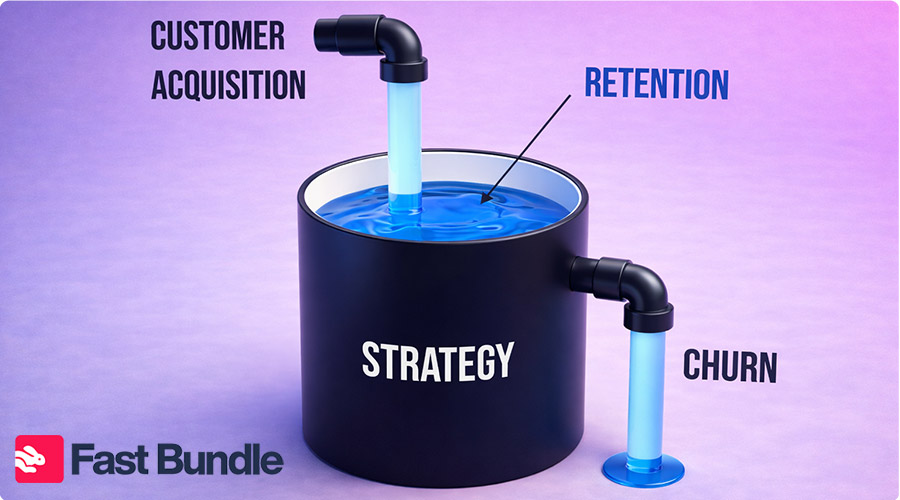
Now that the metrics are clear, the next question is practical: what customer retention strategies actually work for Shopify stores? Retention improves when tips and tactics work according to numbers, and we’re here to learn tactics. These strategies focus on Shopify customer retention in a measurable way, for you to upgrade your efforts in the Shopify Store.
 Optimise the Post-Purchase Experience (Thank You Page & Onboarding)
The customer’s first order sets expectations for everything after that. A good post-purchase experience makes the next purchase feel natural, and give the customer a good feeling.
- Customise the Thank You page with next-step recommendations
- Add order tracking and delivery ensurance
- Send an onboarding email explaining how to use the service or product
- Include a soft incentive for the second purchase
Moves: Repeat Purchase Rate
 Build Automated Email & SMS Retention Flows
Automation keeps customers engaged without you needing to do manual work. Timed messages feel more helpful than promotional, so make sure you send them in the right time.
- Welcome series for new customers
- Post-purchase follow-ups and usage tips
- Replenishment reminders based on product lifecycle
- Win-back flows for inactive customers
Moves: Customer Retention Rate, Purchase Frequency
 Run a Loyalty & Rewards Program
It’s not just discounts, Loyalty programs give customers a reason to return and feel at home. The goal is to make habits.
- Points for purchases, reviews, and referrals
- Tiered rewards for high-spend customers
- Clear progress visibility inside the account area
- Redemption options that encourage another purchase
Moves: Repeat Purchase Rate, LTV
 Use Personalised Product Recommendations & Bundles
Personalisation increases perceived value for your customers. This is where bundles work best, especially for returning customers.
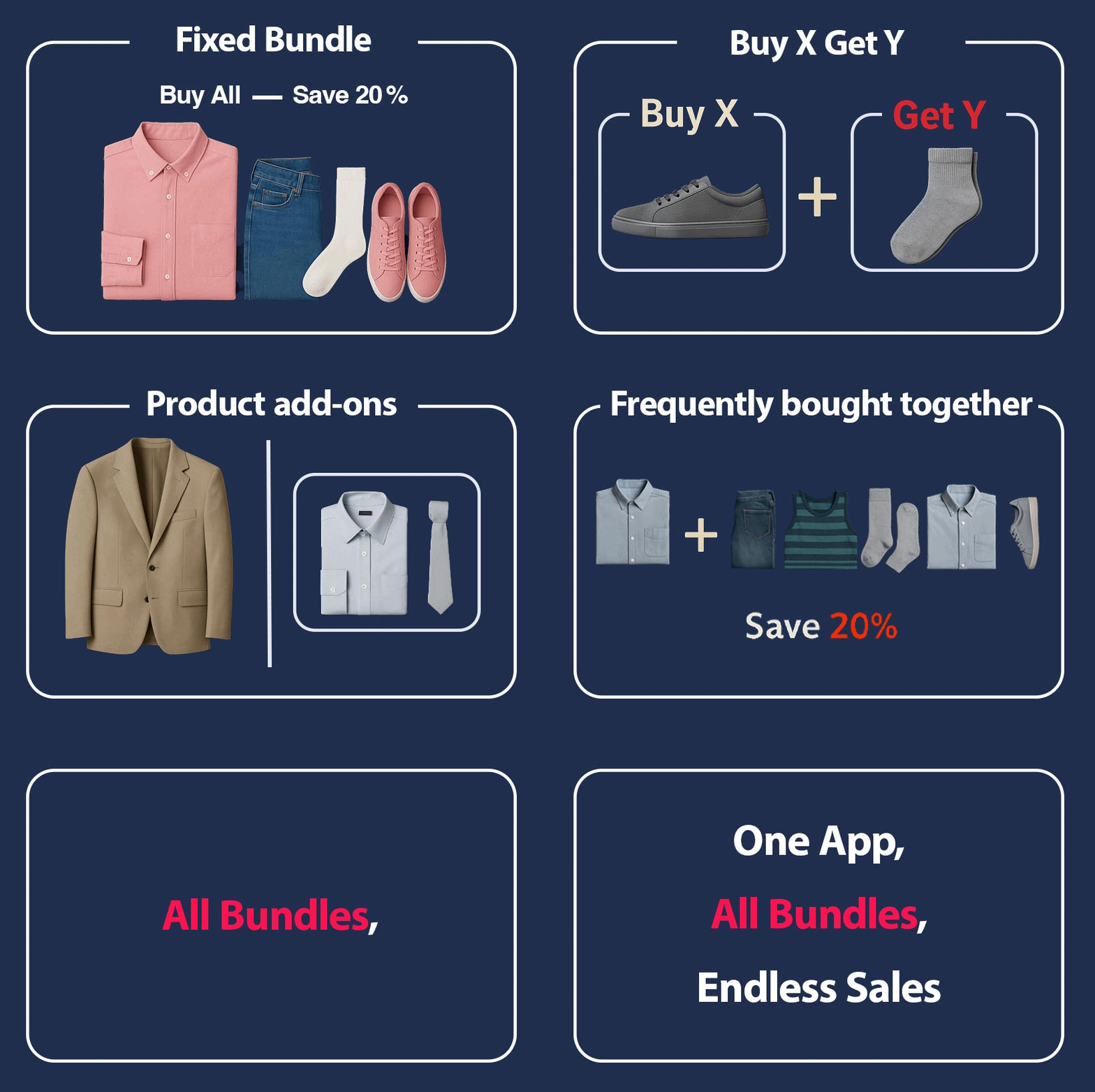
- Show “frequently bought together” bundle suggestions
- Create curated bundles or build-your-own boxes
- Surface past purchases for quick reordering
Use a Shopify bundle app to automate discounts and logic
Moves: AOV, Purchase Frequency
 Pro Tip for Shopify Store Owners
 Create a Subscription or Replenishment Offer (Where It Makes Sense)
Repeat behaviours can turn into predictable revenue with the help of subscriptions. They work best for consumables and small routine purchases.
- Offer subscribe-and-save pricing
- Set flexible delivery intervals
- Add easy skip or pause options
- Use reminder emails before renewals
Moves: Customer Retention Rate, LTV
 Level Up Customer Service & Support Experience
Utilize Support as a retention channel, and make customers so satisfied they come back. Fast, helpful responses prevent churn after issues arise.
- Live chat and clear contact options
- Proactive support for delayed orders
- A searchable help center and FAQs
- Follow-ups after resolved tickets
Moves: Churn Rate, LTV
 Make Returns & Exchanges Frictionless
Sometimes the return process goes so smooth, that the customer decides to buy again.
- Clear, visible return policy
- Self serve returns portal
- Instant store credit where possible
- Exchange options instead of refunds
Moves: Customer Retention Rate
 Collect Feedback & Close the Loop
Retention improves when customers feel heard, so collect feedback and start acting on it.
- Post-purchase surveys
- NPS or satisfaction surveys
- Review requests with follow-up responses
- Internal processes to act on feedback
Moves: Churn Rate, Repeat Purchase Rate
 Create VIP & Community Experiences
Top customers should feel different, so create exclusivity so that customers feel emotionaly loyal to you.
- Early access to launches
- Private discounts or bundles
- Invite-only communities or groups
- Exclusive content or events
Moves: LTV, Purchase Frequency
Segment & Target High-Risk Churn Customers
Not all customers need the same message. Segmentation helps you separate messages before churn happens.
- Segment by last purchase date
- Use RFM (recency, frequency, monetary value)
- Trigger win-back offers for at-risk customers
- Adjust messaging based on past behaviour
Moves: Customer Retention Rate
 Align Retention with Seasonal Campaigns (BFCM, Holidays)
Seasonal spikes are retention opportunities, so take advantage of them (like BFCM, Valentine’s or even Ramadan)
- Post-sale thank-you offers after peak events
- Loyalty bonuses for repeat buyers
- Seasonal bundles for returning customers
- Targeted follow-ups after major sales
Moves: Repeat Purchase Rate, AOV
 Use Content & Education to Keep Customers Engaged
Education builds confidence and reduces buyer’s remorse.
- How-to emails and tutorials
- Usage tips after delivery
- Blog or video content tied to products
- Customer success stories
Moves: Purchase Frequency, LTV
Building a Shopify Customer Retention Program (Step-by-Step)

Now that you know the steps, you’ll need a structure to make use of them. A Shopify customer retention program works best when it is planned, measured, and improved over time, so you dont need to launch everything at once.
Here’s a framework designed specifically for Shopify merchants and can be implemented gradually without overwhelming your team.
1. Define Clear Retention Goals
Set a specific target and time frame for your efforts.
Example: increase the 90-day repeat purchase rate from 18% to 25%, or improve your CRR over the next quarter.
2. Audit the Customer Journey
Map the journey from first visit to repeat purchase and long-term value. Identify where customers drop off or delay their order.
3. Choose 3 to 5 Core Strategies
Pick a small set of tactics that address your biggest gaps, such as email flows, loyalty programs, easier returns, or product bundles.
4. Set Up a Lean Tech Stack
Use only the tools you need: email/SMS, analytics, and a few retention-focused apps. Avoid over-installing.
5. Launch and Measure
Go live, then track changes in Shopify customer retention rate, repeat purchase rate, and AOV. Compare results across cohorts.
6. Document and Improve
Record what works for each customer group and campaign. Use these insights to refine future retention efforts.
Common Mistakes That Hurt Shopify Customer Retention
Even experienced, well-doing stores lose customers because of avoidable mistakes, so you always need to be careful. Here are common issues that weaken Shopify customer retention, each with a doable tip to avoid them.
- Over-focusing on discounts instead of value
Constant discounts train customers to wait for less prices before purchase. Focus on experience, convenience, and relevance, not just numbers and prices. - Ignoring post-purchase communication
No onboarding or follow-up creates uncertainty in your customers mind. Add clear confirmation, delivery updates, and helpful after-purchase emails. - Treating all customers the same
New and returning buyers have different needs, so you need to treat them differently. Use segmentation based on purchase history and behaviour. - Overcomplicated or stingy loyalty programs
If rewards feel unreachable, customers disengage. Keep rules simple and rewards visible. - Not tracking customer retention metrics
Watching revenue alone can hide churn from your POV. Track retention rate, repeat purchase rate, and cohorts at the same time. - Overloading the store with pop-ups and apps
Too many tools slow the site and hurt trust. Prioritise UX over features. - Neglecting shipping and unboxing experience
Late delivery or poor packaging breaks loyalty. Treat fulfilment as part of the retention strategy.
Conclusion: Make Shopify Customer Retention Your Unfair Advantage
Shopify customer retention is not impossible to increase, but it requires firm strategies and frameworks. It starts with understanding the right metrics, choosing strategies that directly influence those numbers, and improving them over time through testing and iteration. Calculate your retention rate, pick a small number of strategies to focus on, and measure their impact consistently. When retention is treated as a long-term system, rather than a one-off campaign, it becomes a real competitive advantage that compounds as your store grows.