The Fundamentals of Shopify Marketing
First things first: What is Shopify marketing?
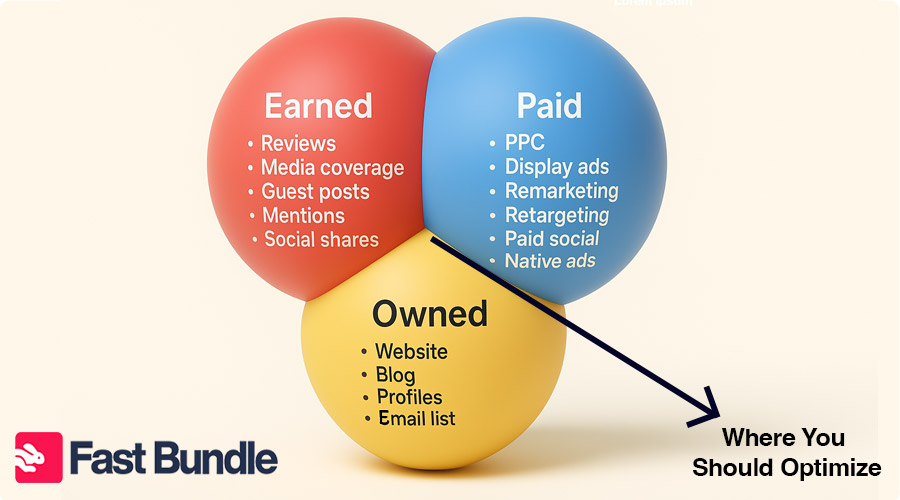
Shopify marketing strategies are everything you do to attract and retain customers, and keep them coming back to your store. It’s the combination of your brand, your content, your customer experience, and the channels you use to show up in front of the right people. To understand the concept of marketing for Shopify store, let’s break down the channels first.
Owned channels
These are the assets in your control. The website, email list, SMS list, product pages, blog, and even your packaging. Since they are owned by the business, these channels build long-term equity and give you the cheapest way to reach customers.
Earned channels
This is where you “earn” the awareness. The places where customers discuss you: reviews, social shares, referrals, PR mentions, UGC, and community discussions. You can’t buy earned channels directly; you earn them by offering a product or experience worth sharing.
Paid channels
These are your amplifiers. Google Ads, Meta Ads, influencer partnerships, sponsored posts, Shopify Ads, or retargeting. Paid channels help you reach new audiences, test your offers, and scale working strategies.
Publishing a store is the first step, but not the whole plan. You shouldn’t launch and hope. Instead, study and understand how these channels work and support each other. This way, you can build a Shopify marketing strategy that actually works.
40 Best Marketing Strategies for Shopify Stores (Organized by Category)
Within these channels, there are hundreds of opportunities for you to kick-start the marketing journey for your Shopify store. Here are 40 of the most doable, uptodate and proven marketing strategies for Shopify store, by category.
Email Marketing For Shopify
1- Welcome email automation
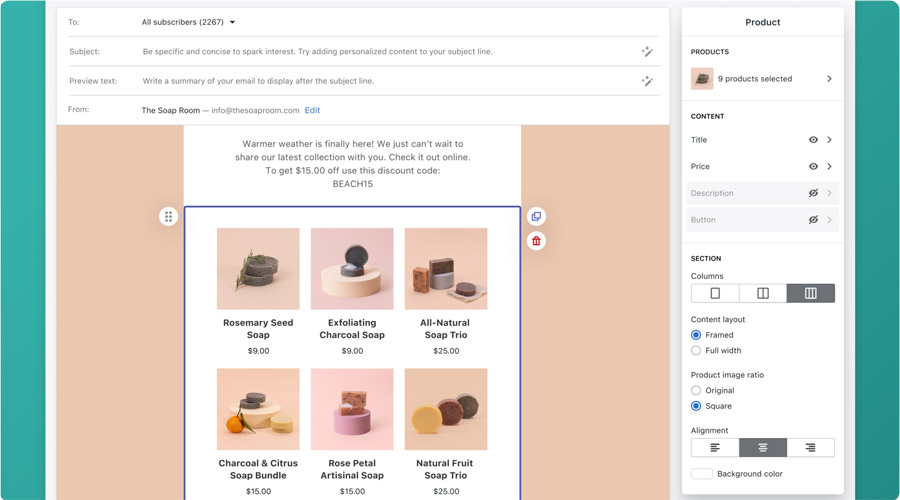
The first personal touchpoint: Introduce your brand, set expectations, and highlight bestsellers in a warm, value-focused email. This email appreciates first purchases and increases long-term engagement.
2- Cart abandonment email flows
Each abandoned cart is a missed value. Recover it by reminding shoppers what they left behind. Include urgency and social proof (with a soft tone). Also add a clear CTA to encourage buyers to go all the way.
3- Product review request campaigns
Honesty pays, so ask your customers for honest feedback after delivery. Reviews build trust for newcomers and generate valuable UGC for ads, product pages, and social content.
4- Post-purchase education sequences
With an educational yet friendly email, guide customers on how to use their products. You can also share care tips and reduce the load on support. Educational flows increase satisfaction and the potential for repeat purchases.
5- Win-back email campaigns
Customers are valuable, even if they’re not active. Re-engage inactive customers with personalized messages, incentives, or new arrivals. These emails target lapsed buyers and bring back interest.
6- Personalized product recommendations
Use your customers browsing and purchase behaviour to suggest relevant items. Personalized recommendations feel helpful, boosting AOV and repeat purchases without coming across as pushy.
7- VIP & loyalty segments
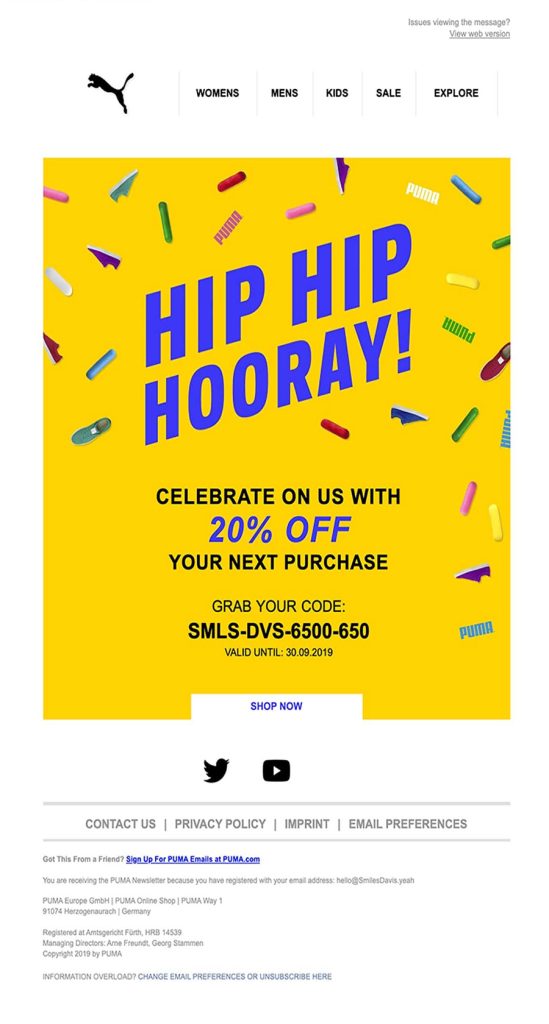 Loyal customers are different, they’re there when others hesitate. So reward them with early access, exclusive products, or special offers. Strong loyalty programs create retention and stregthen long-term brand relationships.
8- Time-sensitive offers (like a 24-hour flash sale)
Email marketing for Shopify works great in rush times. Introduce limited-time promotions and create urgency and excitement through email. Short, well-timed sales motivate quick action and help clear inventory, or increase revenue in important weeks like BFCM or holidays.
9- Seasonal campaign planning
Prepare sales campaigns around key holidays and moments. Customized seasonal messaging and product bundles help your store stay relevant and take advantage of peak buying intent.
10- A/B test subject lines and content blocks
Experiment with keywords, tone, visuals, and CTAs. Testing different copies helps you understand what resonates, what improves open rates, and what repells customers.
Content Marketing & SEO
11- Create high-converting blog content
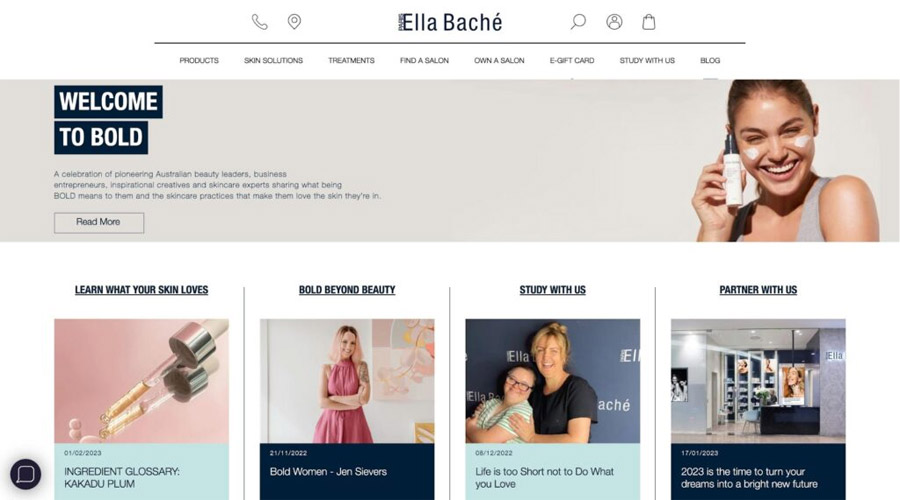
Blogs and articles go a long way toward growth. Write practical, search-focused articles that solve real customer problems. Organic traffic and real users come from strong visuals, good keyword use and internal links.
12- Product use-case tutorials
Show shoppers exactly how your products fit into daily life. Write Step-by-step guides to build confidence, imply intimacy and decrease the risk of coming out as fake.
13- Comparison pages with alternatives
Create honest, helpful comparison pages that highlight your strengths. use high-intent keywords to capture real shoppers who search for comparison.
14- Long-tail keyword targeting for niche SEO
Focus on specific, lower-competition keywords your ideal customers search. Long-tails bring targeted traffic, niche users, and higher conversion potential than general broad terms.
15- Publish regularly using Shopify Blog + ChatGPT
Consistency works. Use Shopify Blog paired with ChatGPT for faster ideation, drafting, and optimization so you can publish frequently without losing quality.
Paid Ads (Meta, Google, TikTok, Pinterest)
16- Retargeting ads for cart abandoners
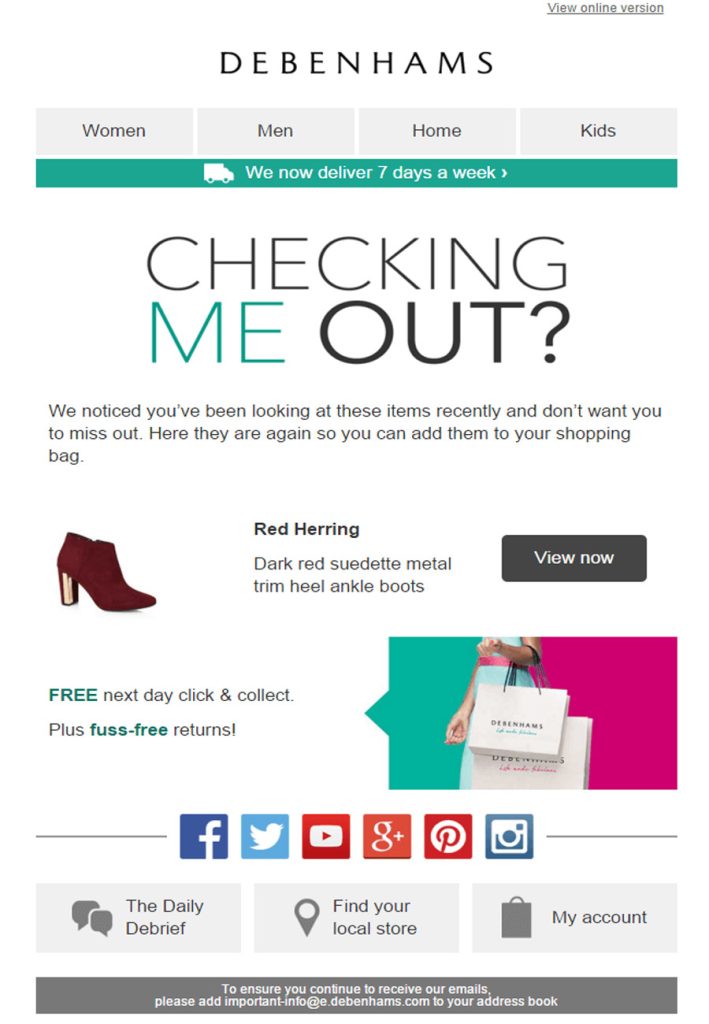
Retargeting ads are great for abandonements. They remind visitors of products they viewed or added to cart.
17- Lookalike audiences for the best buyers
You can feed your highest-value customers into Meta/Google to find similar shoppers. Lookalike audiences help you scale and monitor the methods that work.
18- Branded search campaigns
Create search campaings and bid on your store and brand name in Google. Protect your traffic from competitors, and capture high-intent shoppers that are searching for your products.
19- Dynamic product ads
These adds will automatically show shoppers the exact products they browsed (or related items). Dynamic ads are great options since they stay relevant and consistently increase CTR and conversions.
20- Product-focused TikTok short-form videos
Show real people using your products in 15–30 second clips on TikTok. Lean into trends, hooks, and social proof to drive discovery and impulse purchases.

Social Media & Influencer Marketing
21- User-generated content reposts
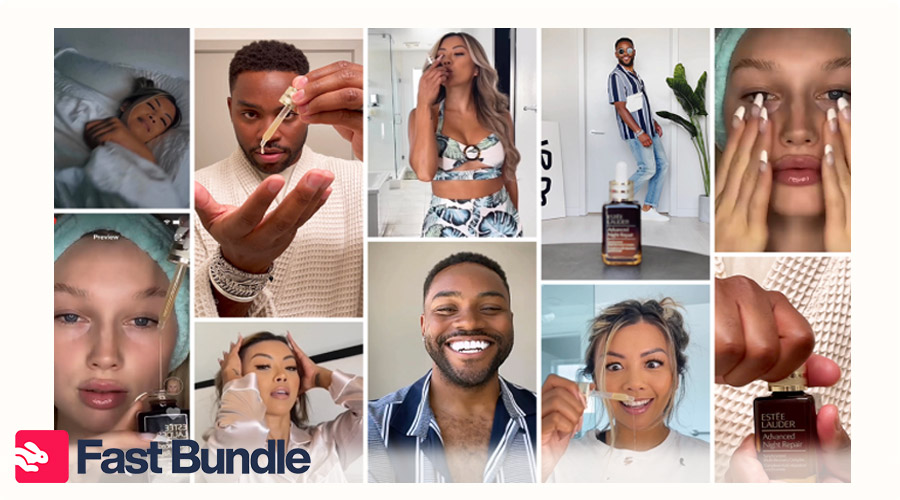
UGCs are the most authentic ads for your products. Share real customer photos and videos on your feeds, or plan a full UGC campaign so they do it organically. These contents are perfect marketing strategies for retail stores to build trust fast, and give you an endless stream of social proof.
22- TikTok creator partnerships
Partner with niche creators who already speak to your target audience. They tell the story in their own style, and definitely outperform ads.
23- Instagram collabs with nano influencers
Working with smaller influencers (1–10k followers) is a great idea since they have tight-knit communities. Their recommendations drive higher engagement and more meaningful traffic.
24- Giveaways and contests
Run simple, on-brand giveaways that ask people to follow, like, or tag a friend. This method is simple and super familiar to people. It helps reach and follower growth.
25- Shoppable Instagram reels
Turn short, engaging videos into direct shopping moments. Tag products, add clear CTAs, and make it easy for viewers to go from “scrolling” to “checking out.”
Affiliate & Referral Programs
26- Launch an affiliate program via platforms like UpPromote or Refersion
Set up a simple program where partners earn commission for each sale. These are trackable and good for performance-based growth.
27- Offer influencer codes with commission
Give creators unique discount codes with a clear commission rate. They get rewarded for driving sales, and you gain measurable, trackable revenue.
28- Referral rewards for customers
Encourage happy customers to invite friends with reward offers (with cash or credit). Referral programs turn loyal buyers into free word-of-mouth advertisement.
29- Leverage ambassadors for micro-content
Recruit your best customers as brand ambassadors. Have them create small, frequent content clips, reviews, and mentions.
30- List program on affiliate marketplaces
Publish your affiliate offer on marketplaces so bloggers, coupon sites, and niche publishers can discover you. This expands your reach with minimal extra workload.
Onsite Conversion Boosters
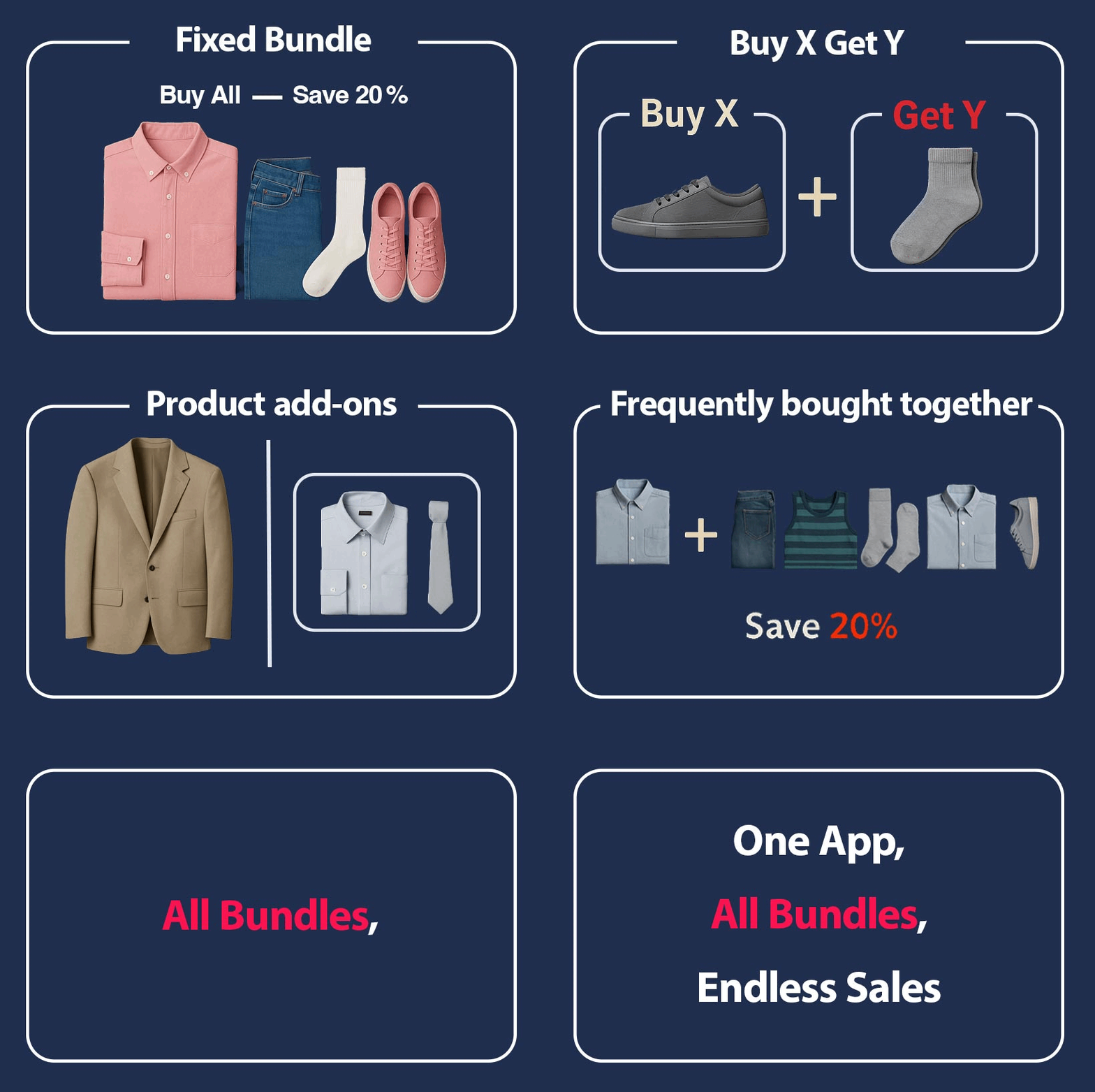
31- Bundle pricing
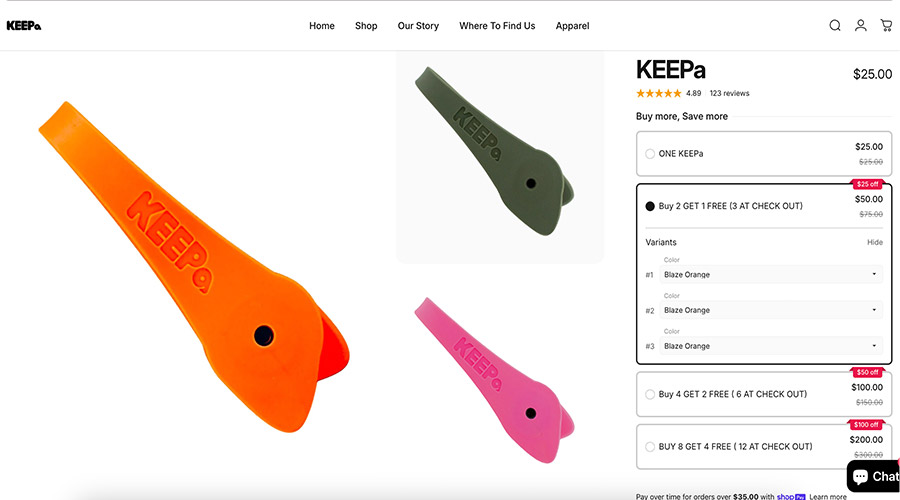
Create valuable bundles that increase AOV without feeling discounted. Bundles will automatically boost AOV, and Shopify apps will automate and strategize bundle pricing for you.
32- Exit-intent popups
Stop leaving visitors with a well-timed offer. It can be free shipping, a small discount, or a lead magnet. Smart exit pop-ups reduce bounce rate and also provide you with email leads.
33- Free shipping thresholds
Encourage bigger carts with offers like “Spend $X to get free shipping.” Thresholds nudge shoppers to add more items while keeping your margins healthy.
34- Social proof & reviews
Display ratings, testimonials, and verified customer photos on key pages. Strong social proof helps build trust and turn hesitating customers into paying ones.
35- One-click upsell offers
After checkout, offer a hyper-relevant add-on (acceptable with a click). It boosts revenue easily without interrupting the purchase flow.
Community & Loyalty
36- Build a customer Facebook Group
Facebook groups can be private communities where customers share tips, feedback, and wins. Groups make relationships, surface insights, and turn buyers into brand advocates.
37- Run monthly polls and surveys
Ask customers what they want next with regular surveys or pop-ups. Make people feel heard so they give you direction for smarter decisions.
38- Reward top referrers with prizes
Publicly celebrate and reward your best advocates with gifts, credits, or exclusives. Recognition creates more referrals and strengthens emotional connection to your brand.
39- Create educational webinar series
Host live or recorded sessions to teach how to get better results with your products. Webinars position you as a helpful expert friend, not just another store.
40- Launch loyalty points program
Give points for purchases, referrals, reviews, and social engagement. A well-thought-out loyalty program keeps customers coming back and also creates value.
How to Choose the Right Strategies for Your Store

With all these tips and methods, what can be the best marketing for shopify store?
Here’s what you should consider first:
- Understanding your niche
- Studying your growth stage
- Calculating the budget you can realistically commit.
Newer stores should prioritize low-cost, high-impact channels like email, SEO, and simple paid retargeting, while affiliate marketing for shopify store, influencer collabs and advanced automation work best for more established brands.
Pro tip: Instead of doing everything at once, pick 1–2 tactics per category and execute them well before adding more. Let your data guide you, track email open rates, CTR, CAC, and AOV to see what actually moves the needle. When something works, scale it; when it doesn’t, iterate or replace it. Marketing becomes easier once your numbers tell the story.
Tools That Can Help You
Marketing a Shopify store can be a though road to go through alone! Here are some tools to help you automate processes and make the best of your efforts:
Klaviyo for email & SMS
Powerful segmentation, automation, and personalization tools help you send targeted messages that boost conversions and long-term customer retention.
Google Ads + Meta Business Suite
Run targeted campaigns across search and social, analyze performance, and optimize your ad spend for efficient, scalable customer acquisition.
Fast Bundle for bundling and AOV optimization
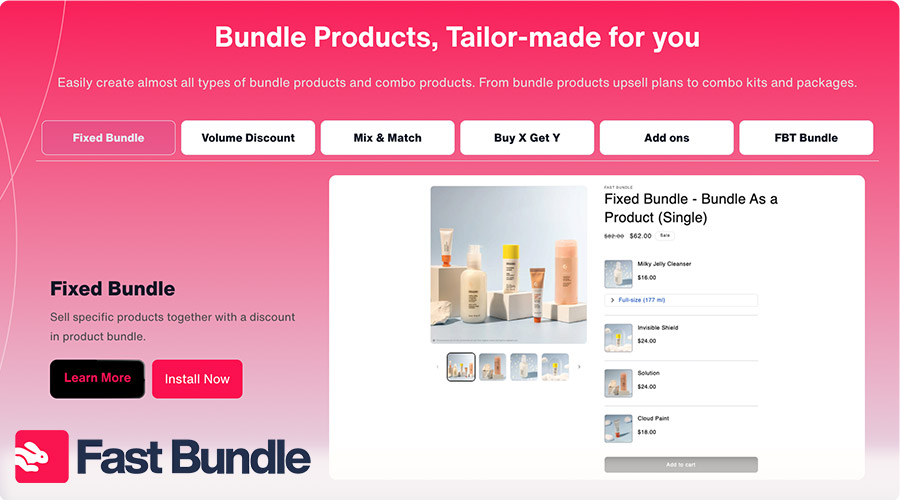
Create bundles, mix-and-match offers, and cross-sell widgets that increase average order value and simplify your customers’ shopping experience. Also use the AI features to make store management smoother.
Refersion for affiliate tracking
Manage affiliates, track commissions, and grow performance-based partnerships that drive predictable revenue without heavy upfront marketing costs.
Tidio or Gorgias for support chat
Offer fast, automated, and personalized customer service across channels, improving satisfaction while reducing support workload for growing teams.